
Buy a robot vacuum, use it for nearly six months, and you can still request a return.
This is not a rental. Matic sells its vacuum-and-mop robot outright in the United States and gives the original purchaser 180 days to request a return. Once approved, the machine must be sent back and inspected before payment is refunded to the original method. Official return policy
On November 25, 2026, Matic listed US Black Friday bundles at $1,495 for the original and $1,595 for the quieter Serene. Both included extended coverage and a year of bag replenishment. US product listing
At that price, small details determine whether someone keeps the machine: whether it is distracting during calls, tangles with cords, or leaves the owner with a basin of dirty water. Navigating a demonstration room is not enough.
AI has to reduce the work of owning the robot
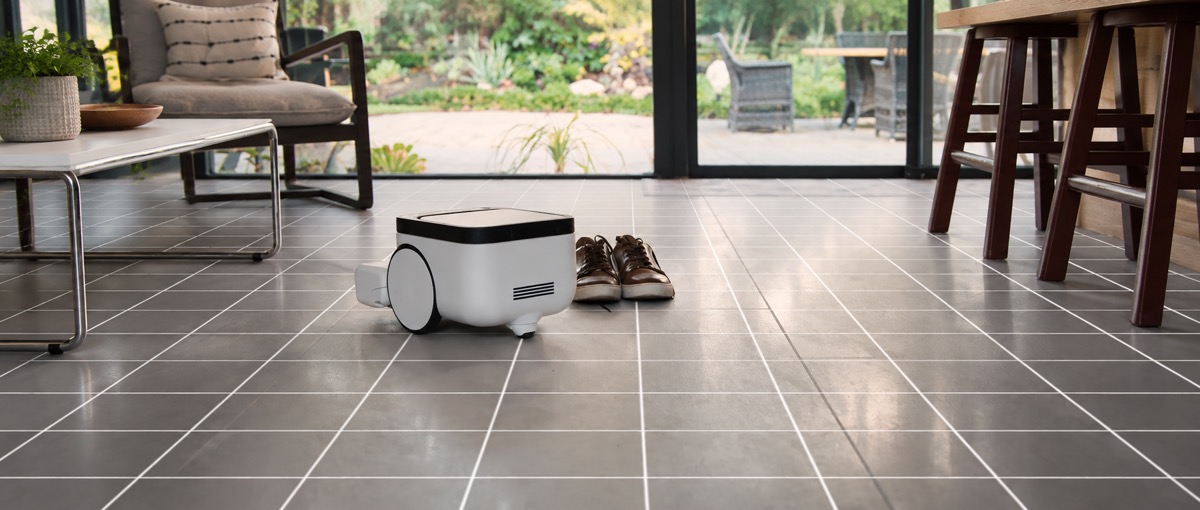
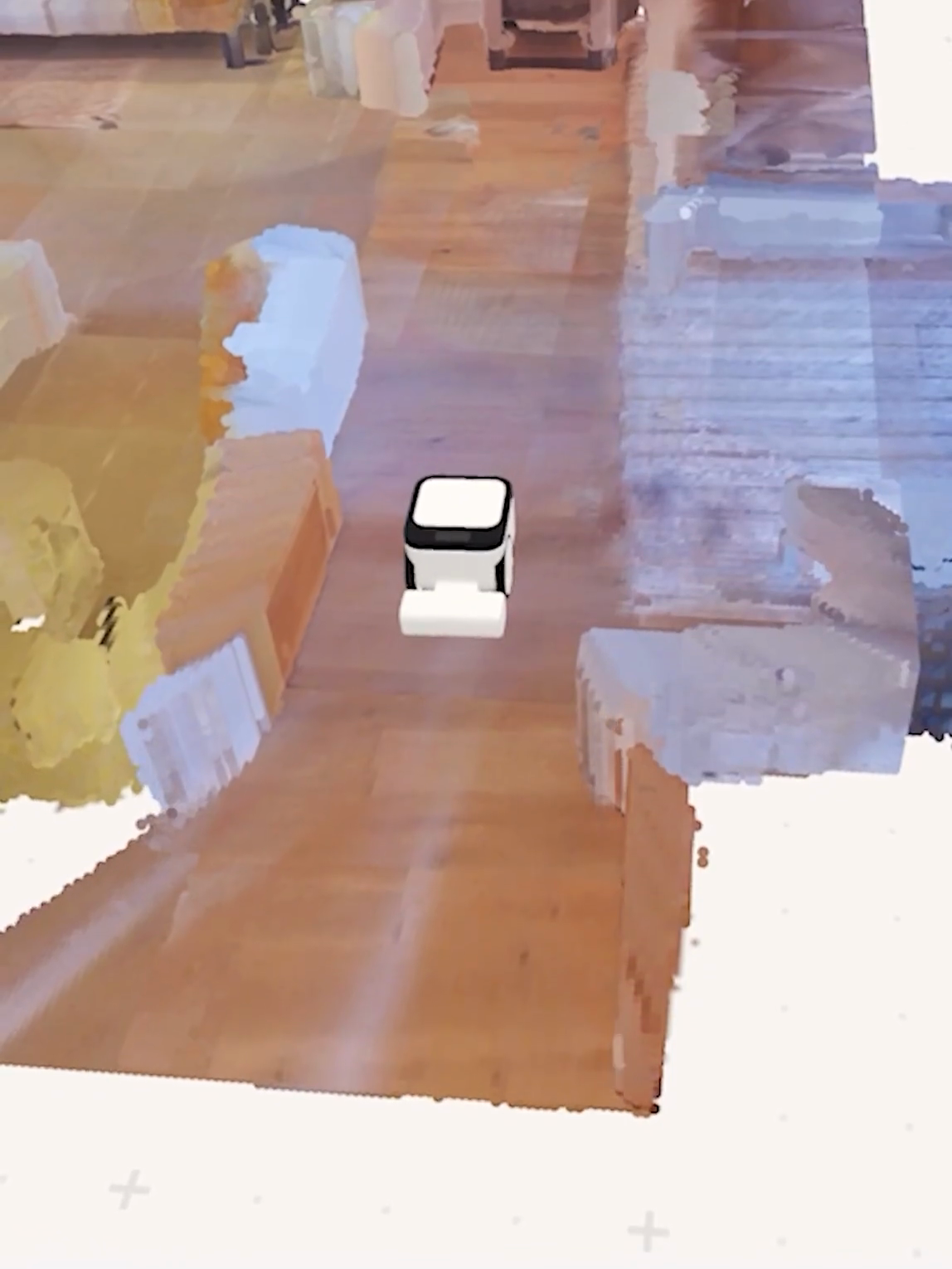
Unlike a typical disc-shaped vacuum, Matic has a taller white body, two large wheels, and a cleaning head that projects forward. Its cameras build a 3D map, recognize objects, and inform routing. The AI determines how the machine moves, rather than adding a chat box to the app. Official navigation overview
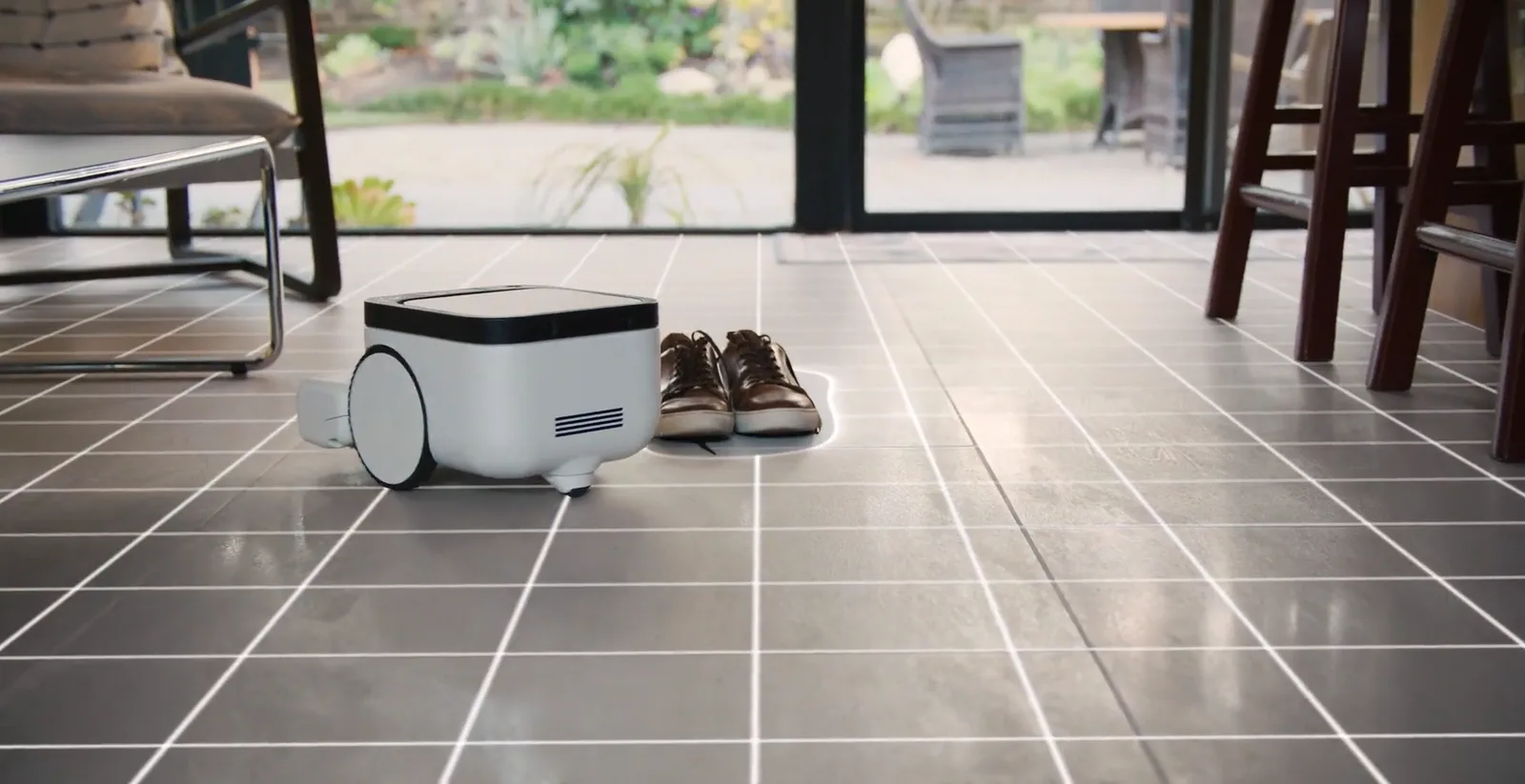
The app lets owners inspect the map, direct the robot to a location, and set no-go zones. Those controls are meant to reduce the need to follow it around correcting mistakes.
In May 2025, WIRED reviewer Adrienne So gave Matic a favorable review. What mattered to her was not the suction specification but quiet operation and ease of use: she was less likely to abandon a cleaning run because the machine was lost or too loud. WIRED hands-on review
Avoiding obstacles does not guarantee a clean floor. RTINGS’ 2026 tests credited obstacle handling but criticized edge cleaning, coverage, and stain removal. Those limitations matter to people with pets or extensive carpeting. RTINGS tests
A demo room is not a customer’s home. A long return window lets buyers test the robot repeatedly around their own cords, rugs, and table legs. An attractive map cannot substitute for a clean floor.
No dirty-water tank to empty, but bags still need replacing
Instead of relying on a large dock, Matic puts its clean-water tank, roller cleaning, and waste collection aboard the robot. Dirty water is squeezed from the roller into a bag alongside dry debris. The liquid turns into gel and goes out with the bag. Official maintenance demonstration
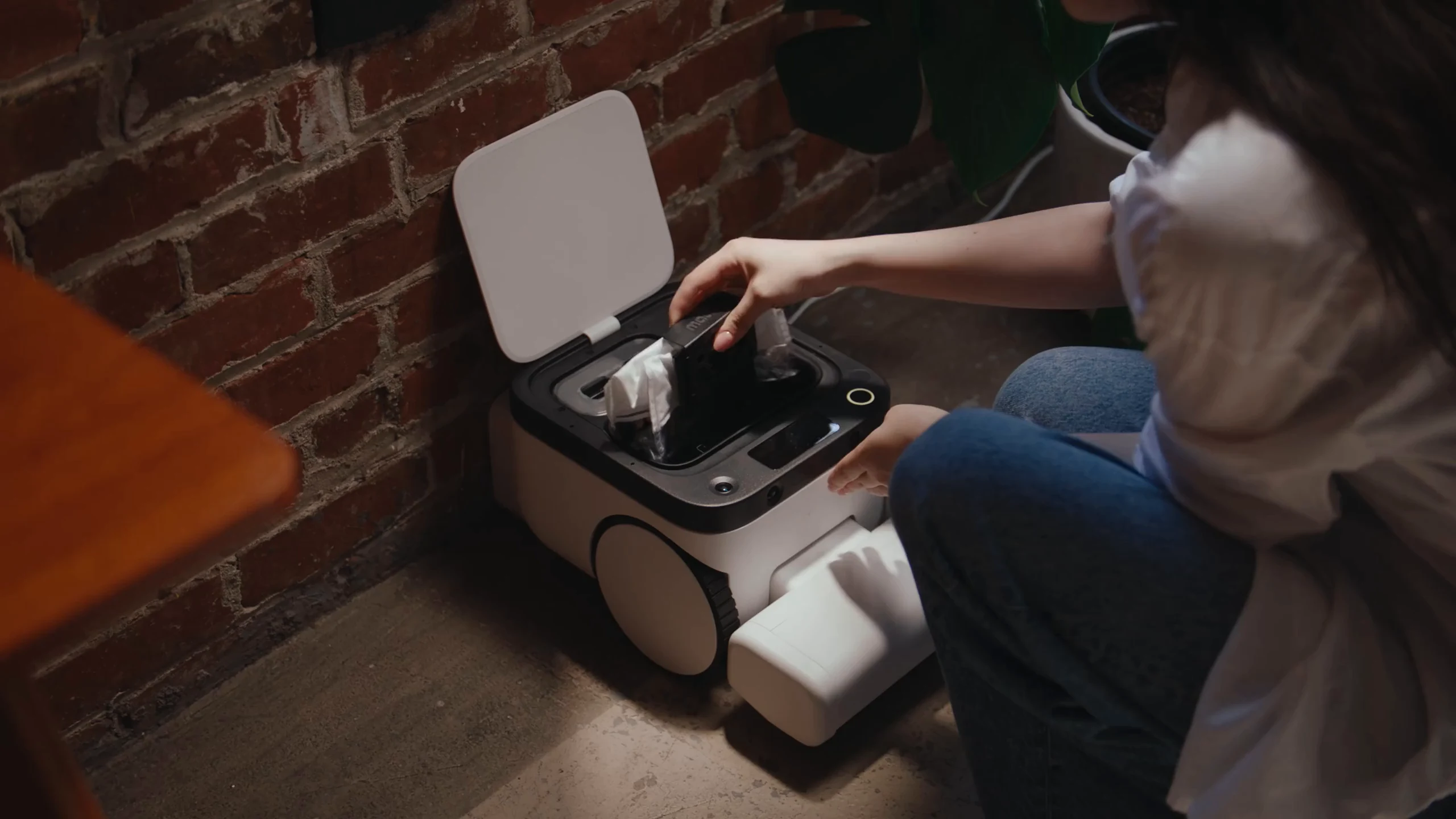
For people who dislike emptying wastewater, this is convenient. For people watching consumables costs, it is an additional expense. The design trades some cleaning work for replenishment rather than eliminating maintenance.
Matic lists its annual Bag Pass at $120 in the US. Buyers order using the same email they used to buy the pass; the discount applies at checkout, each replenishment can include up to 12 bags, and shipping is free. It is not a software fee required to activate the robot. Annual Bag Pass
The promotion includes the first year so customers can decide from experience whether the convenience is worth renewing.
The upgrade sells less noise
Matic introduced Serene on October 27, 2026. The company says it kept the motor and suction unchanged but redesigned the vacuum assembly to reduce irritating high-frequency whine. It reported a reduction from 55 to 52 dB in its own measurements, not in independent testing for this article. Serene engineering notes
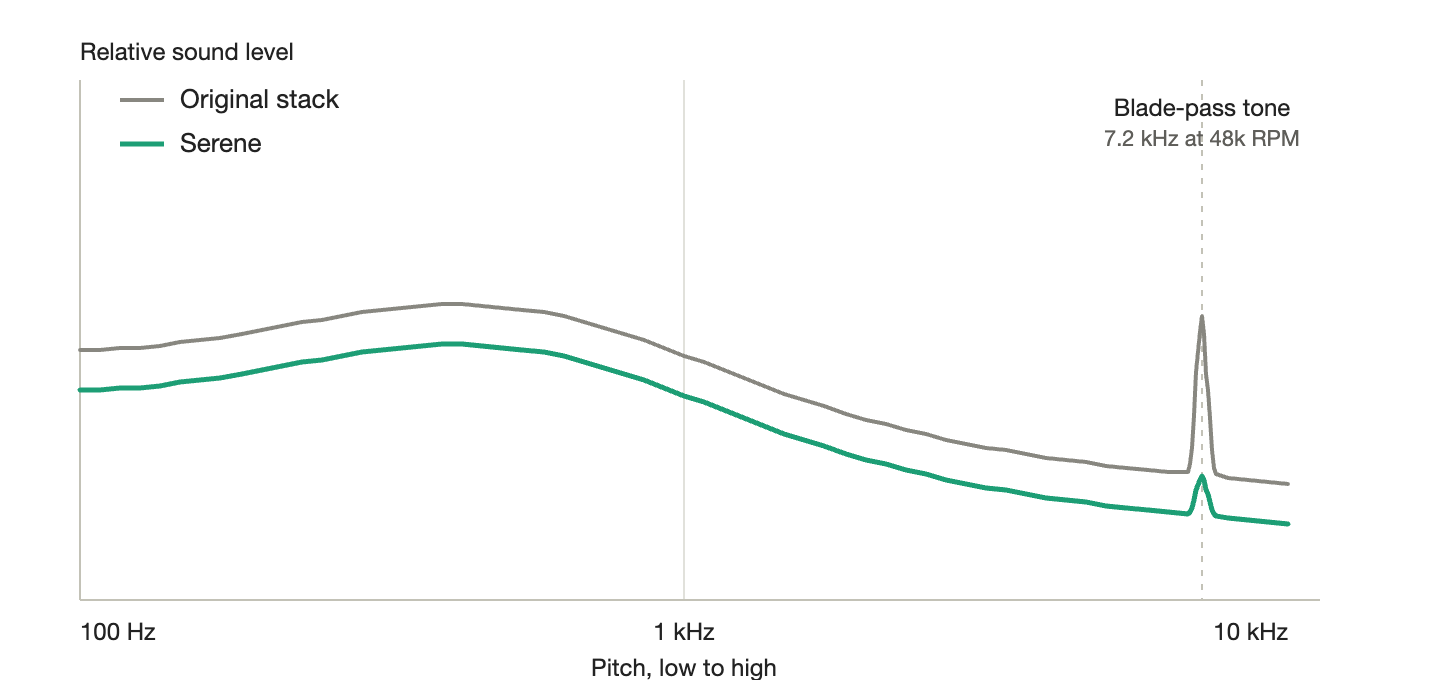
The upgrade does not add a chore or a new cleaning motion. It aims to make running the robot tolerable while someone is still home.
Existing customers can reserve a retrofit rather than replace the entire machine, paying the difference between their original price and Serene’s regular $1,695 price. The limited program starts February 1, 2027; the upgraded vacuum assembly gets a separate six-month limited warranty. Official upgrade terms
An upgrade option is not necessarily cheap: a lower original price can mean a larger difference to pay. A new purchase and a retrofit should be priced separately. Hardware, consumables, and upgrades create multiple transactions around the same machine, but the latter two depend on the experience of owning it.
A six-month return window puts the manufacturer to the test too
Buyers have more time to discover whether the machine fits their home. Matic has more time to face the realities of daily use. It is not a cycle of unrestricted returns and repurchases: a standard return makes the customer ineligible to buy another Matic, including Serene, for 12 months. The returned robot must work, be undamaged, and include the required accessories. Repurchase restriction Return conditions
The written policy is not the whole story. In September 2026, one paying customer described a hardware failure, repair and refund disputes, and said they ultimately recovered the money through a credit-card dispute. That single account does not establish how support works for everyone. It does show why the ability to end the purchase smoothly matters for expensive hardware. Customer account
If time saved cleaning is spent arranging repairs and contacting support, even a long return promise will not bring the buyer back. An AI hardware business has to account for the entire transaction through the end of any return, not just the cost of running a model.
Matic sells in the US and parts of Canada; warranty coverage is limited to its official sales regions. See the original link for the product.