
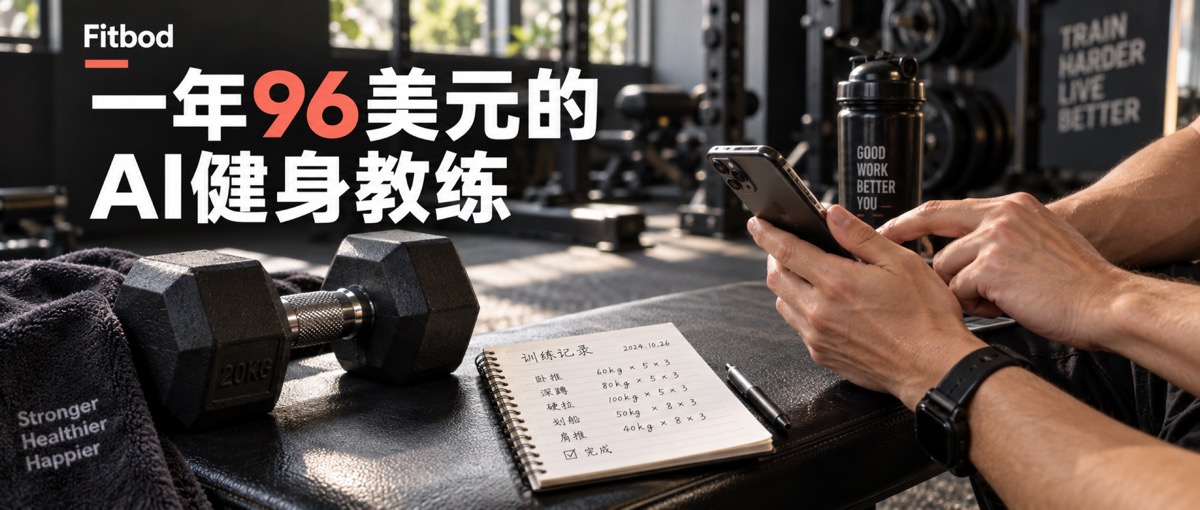
You arrive at the gym and immediately face three decisions: what to train, how much weight to use, and how many sets to complete. Fitbod turns those decisions into a workout. After each set, the user records repetitions and weight, and those records become inputs for the next recommendation. The iPhone and Apple Watch strength-training app is not selling a library of videos that users watch once and leave behind. Fitbod product website
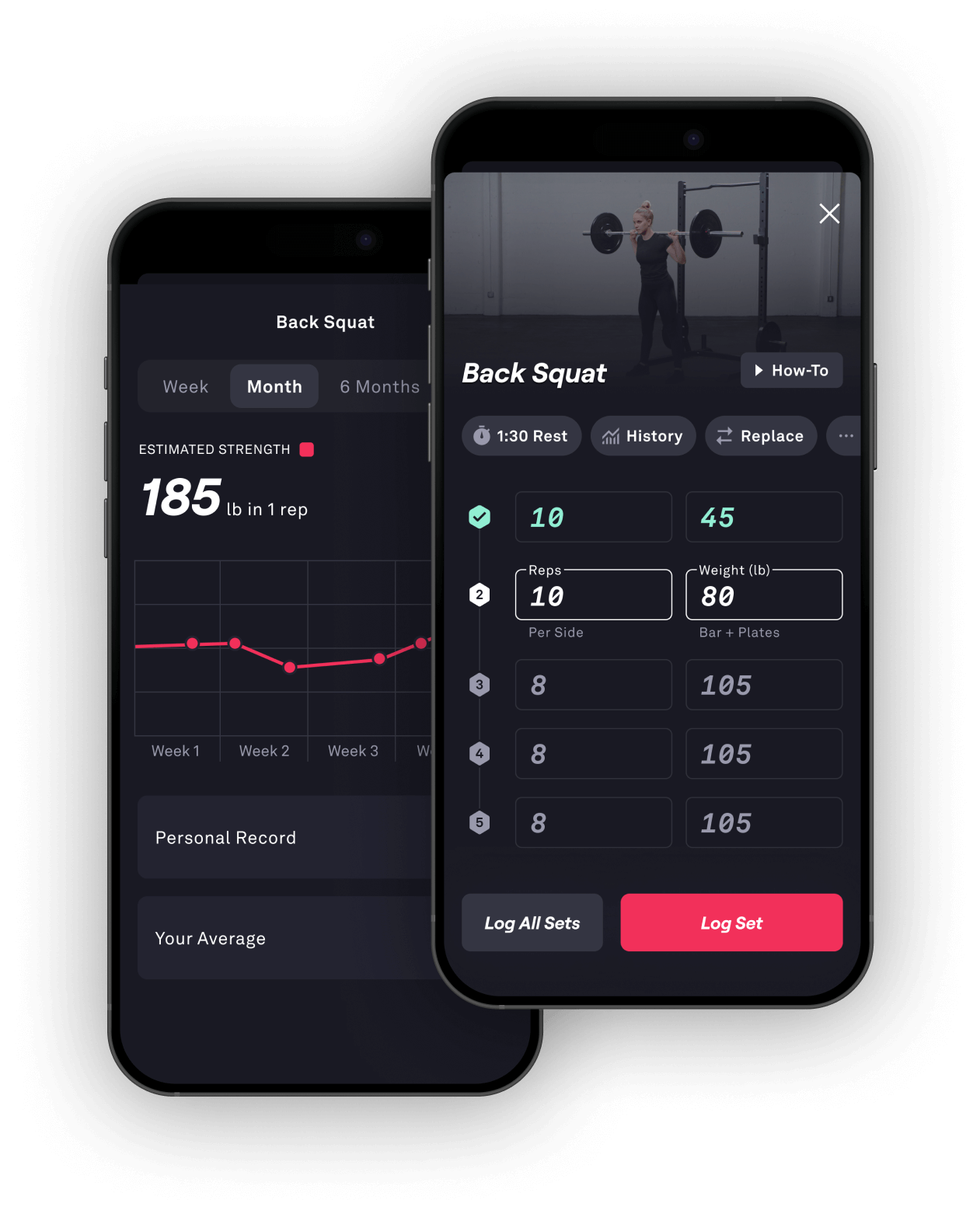
Image source: Fitbod.
Fitbod currently lists its subscription at $15.99 per month or $95.99 per year. The annual option works out to about $8 per month, roughly half the cost of paying monthly for a full year. Fitbod subscription page
General-purpose AI can already produce a workout plan in seconds. What, then, is the annual fee paying for? Fitbod’s recent product changes suggest a counterintuitive answer: the product is not only adapting recommendations. It is also keeping important exercises stable.
The Product Must Handle What Happens After It Gives the Plan
A static program needs to answer the planning question only once. A real gym session keeps changing. The available equipment may be different, the user may have less time than expected, and last session’s weight may not be appropriate today.
Fitbod uses goals, experience, and available equipment to generate a workout, while allowing the user to change exercises and loads. Its App Store listing also describes exercise demonstrations, workout tracking, and connections with Apple Health and Apple Watch. Apple App Store | Fitbod
None of those capabilities is unusual in isolation. Their commercial logic becomes clearer when they are arranged around the actual workout:
| Moment | The user’s question | What the app handles |
|---|---|---|
| Before the session | What should I train today? | Select exercises based on goals and equipment |
| During the session | What did I actually complete? | Record sets and weight, with room for changes |
| After the session | What should happen next time? | Use performance history to shape the next workout |
The saved effort is not merely the time needed to search for an exercise. It is the repeated work of reconciling a plan with what actually happened.
That is also the difference between Fitbod and a general chat tool. A chatbot can suggest a routine, but the user must repeatedly explain recent workouts, available equipment, and current loads. Fitbod places the input inside the workout itself. Logging a set records today’s effort and supplies context for the next session at the same time.
Personalization Does Not Have to Mean a Different Routine Every Day
Automatic generation is often associated with more variety. Strength training has a competing requirement: a person must repeat important movements long enough to learn the technique and compare performance.
Fitbod’s Focus Exercises feature assigns a primary strength movement to each workout day and repeats it across a four-week cycle. Weight and repetitions adjust with performance, while supporting exercises can still vary. Users can also replace a primary exercise. Fitbod updated its help documentation for this mechanism in June 2026. Fitbod | Focus Exercises
The training line stays stable while the load and supporting work adapt.
This distinction changes how a user can evaluate the product. If today’s bench press disappears and the next session contains an entirely different group of movements, the plan may look varied but progress becomes difficult to read. Keeping the main exercise creates a relatively stable reference point.
The four-week cycle does not advance simply because the calendar reaches a new week. According to the official rules, a user moves to the next phase after completing the workouts assigned to the current phase. If a session is missed, the phase waits. The plan therefore follows completed behavior, not just dates. Fitbod | Focus Exercises
This is not a design philosophy in which more AI freedom is always better. Fitbod deliberately places structure around automatic recommendations. The user avoids planning from zero but can still understand which movements are being repeated and why.
The Reason to Pay Must Reappear Months Later
The first generated workout can feel novel. Whether a user still opens the app in month two depends on whether it continues to remove work.
Fitbod includes review and reflection in the subscription. Its workout reports cover workout count, total weight lifted, duration, and muscle-related metrics across different time ranges. Users who enable notifications can receive weekly and monthly reports; if no workouts were recorded during the period, that report is not sent. Fitbod | Your Workout Report
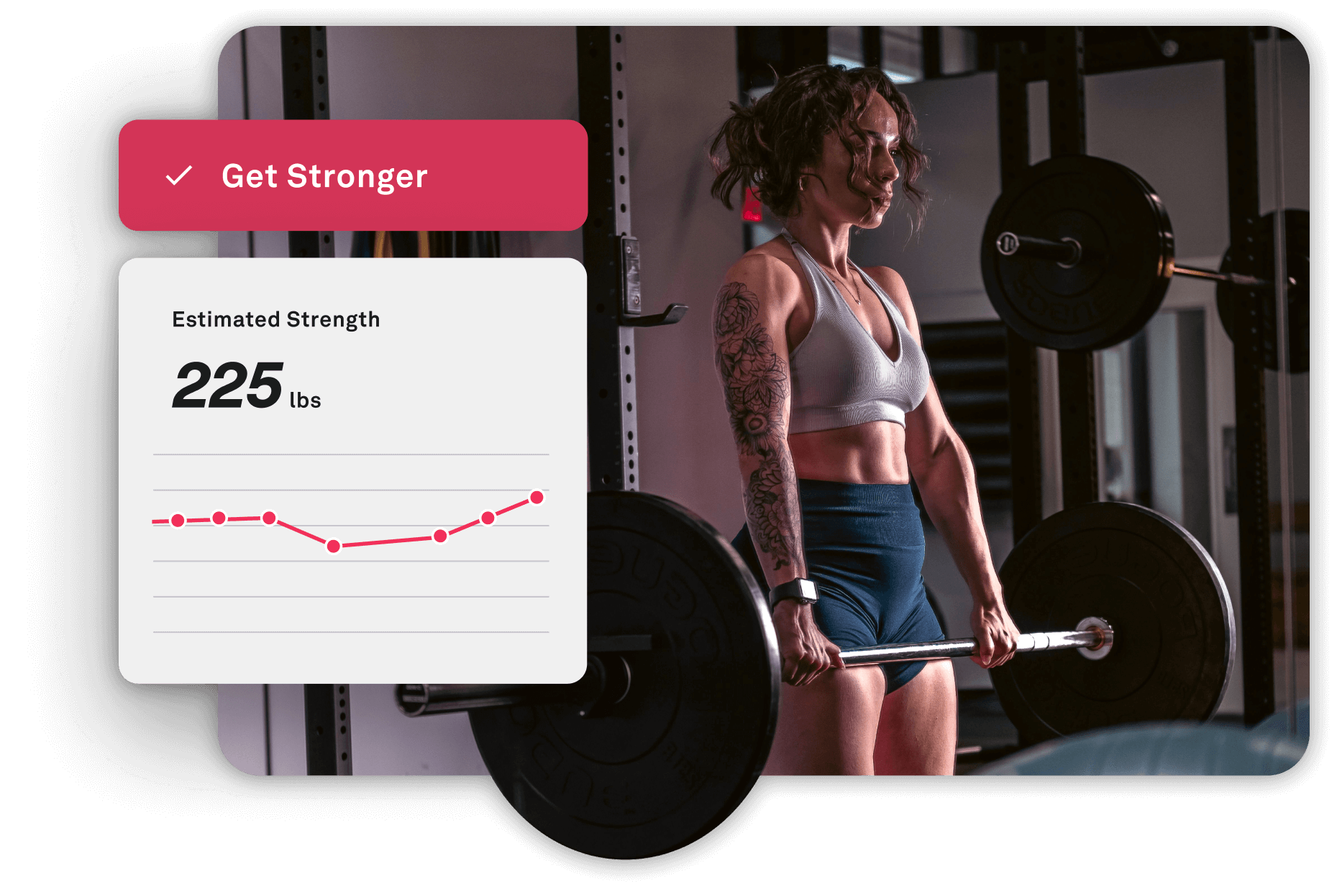
Image source: Fitbod.
This provides a more specific return mechanism than a generic reminder. The report is about work the user actually completed. The app does not need to demand attention every day; it can return value by summarizing an existing record.
In September 2026, Fitbod said that nearly 2.2 million accounts were created in 2025, up 41 percent year over year. This is company-reported account growth, not a count of paying subscribers. It nevertheless indicates that an established training utility is still attracting new users. Fitbod | Product and usage update
The acquisition path is direct: try first, then subscribe. Fitbod currently says that new users receive a seven-day trial. Unless it is canceled in advance, the trial converts to a paid subscription. Purchases can be made through the website, App Store, or Google Play, and prices may vary by location, platform, and promotion. Fitbod | How to Subscribe
The annual discount influences the purchase decision. Continuing workout adjustments and personal reports supply the reason to keep using the product. A lower annual price cannot make someone train for a full year by itself.
Users Disagree About Whether the Programming Is Worth It
In a December 2024 App Store review, a user named alexander .d wrote:
“will be renewing my yearly subscription again”
The excerpt comes from a longer review that also raised concerns about navigation during workouts, finding personal records, and sharing copy. Apple App Store | Fitbod user reviews
A Reddit user named No-Object1932, who described using the app for a year, reached the opposite conclusion:
“I don’t think it’s ideal for programming.”
The user questioned conservative weight recommendations and exercise ordering, and said that once they began programming workouts completely on their own, the reason to keep paying monthly became weaker. This is one person’s experience, not a conclusion about every user, and it does not establish that later versions have the same issues. Reddit | Review after one year
The disagreement identifies Fitbod’s central competitive pressure. For someone who needs the plan, it acts like a coach. For someone who already knows how to program and repeatedly edits the recommendations, it may become little more than a workout log.
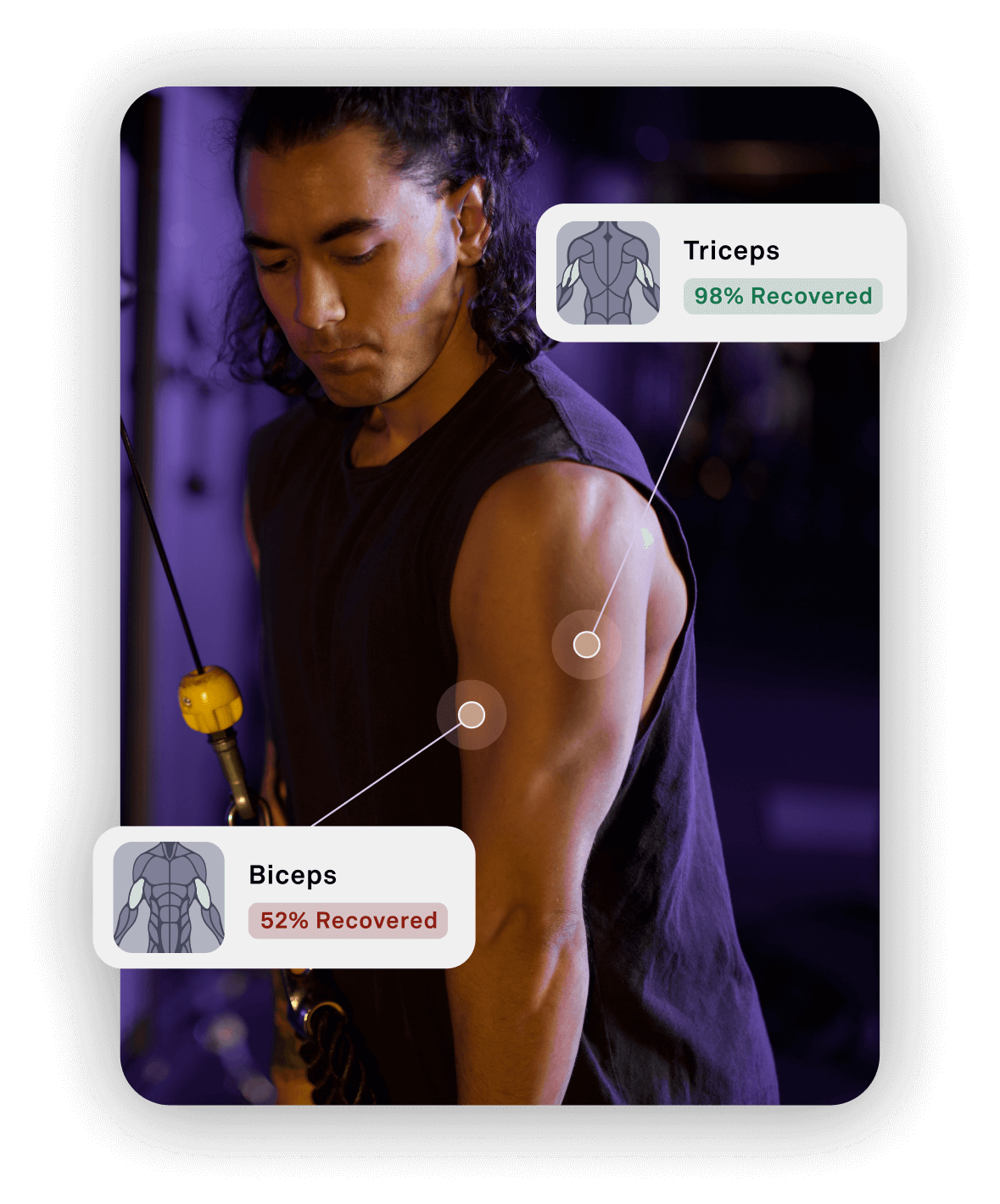
Image source: Fitbod. Percentages shown are product estimates.
Having more data also does not mean every recommendation should be followed without judgment. Fitbod’s Focus Exercises documentation specifically warns that injury or limitation settings do not currently override the priority of a focus exercise. A user who needs to avoid a body area must remove the relevant focus exercise. That is a concrete boundary of the recommendation system, and the label “AI coach” should not hide it. Fitbod | Focus Exercises
Fitbod’s subscription ultimately faces a simple test. When a user reaches the gym, does the app help them begin training faster, or do they spend another ten minutes correcting its plan? The first outcome supports an annual fee. The second gradually edits the value out of the subscription.