

In Planta, taking a photo to identify a plant is only the beginning of its care. The app then schedules watering, fertilizing, and repotting. It now also wants plant owners to help find new customers. Referral terms updated on September 15 say that a friend must subscribe through a referral link, complete the first paid month, and avoid cancellation or a refund before the person who referred them earns a reward. Bringing in a download is not enough.
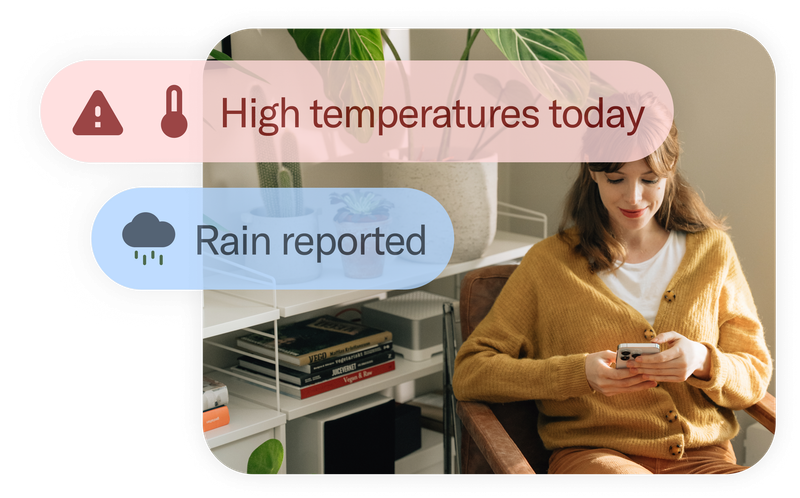
Planta’s weather-aware care reminders. Image source: Planta.
People are already paying for this service. Planta says on its partnership page that it has 230,000 paying subscribers. Its US App Store listing shows about 114,000 ratings with an average of 4.8 stars. The first figure is the company’s own count of paying subscribers; the second is a record of store ratings. For an app organized around flowerpots, the useful question is not only how quickly it recognizes a plant, but why people keep paying after identification is finished.
Watering Is Free; Caring for the Whole Plant Costs Money
Planta does not lock away every basic reminder. Its help center says the free version includes limited functionality. Photo identification, care plans beyond watering, plant-health tools, and light measurement require a subscription.
That boundary is concrete. Someone who only wants to remember when to water can start for free. Someone who wants to know what the plant is, when to fertilize it, or what to do about damaged leaves enters the paid service. The user does not first have to understand a complicated piece of software. They add the plants in their home, then encounter specific problems that need solving.
AI identification does more than return a name. After a photo identifies a species, Planta presents a corresponding care plan. Its reminders also take the species, home environment, and local weather into account. Identification connects to the next task instead of producing a one-time answer that the user reads and leaves behind.
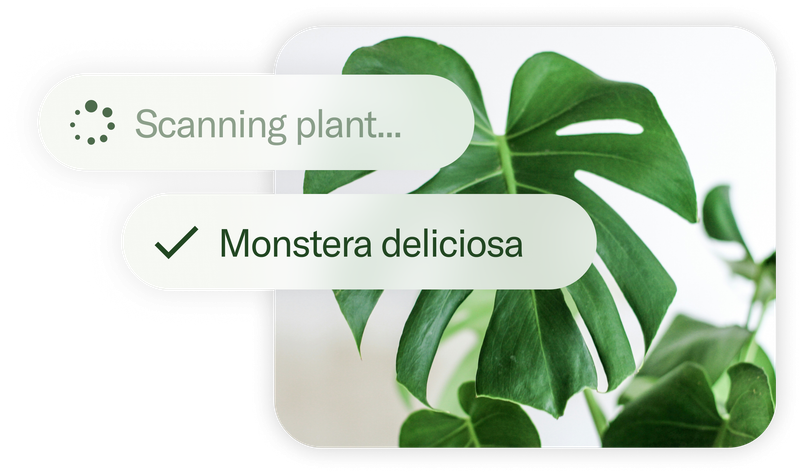
Planta’s photo-based plant identification. Image source: Planta.
Planta’s website currently quotes a US annual price of $47.99. The page expresses that as $3.99 per month, but the amount is charged annually. Compared with charging for each identification, an annual fee forces the product to answer a harder question: will the user still need it next month?
Planta’s answer is to keep the task attached to the plant. The app schedules not only watering, but also fertilizing, misting, and repotting. When a plant develops yellow leaves, pests, or poor growth, Dr. Planta offers a course of action. As long as the plant keeps growing, care does not end when identification is complete.
Thirty Plants Are Not the Same as One
One App Store review explains the reason to pay more clearly than a feature list.
A user named Lily3054 wrote that she had 30 plants and accepted a discounted price of $36 per year. What mattered to her was receiving reminders about watering, misting, and fertilizing. This is one person’s account, not a representative study, but it reveals an important distinction. Once someone owns many plants, the problem is no longer looking up information. It is managing multiple schedules for multiple living things at the same time.
On the same page, a free user named EchoMintyCat praised the watering reminders, growth records, and room-based organization but disliked that repotting reminders and health tools required payment. The developer’s response confirmed this feature boundary. The free version really can handle some daily work, while the paid version takes on more complicated care. That tradeoff also leaves some users dissatisfied.
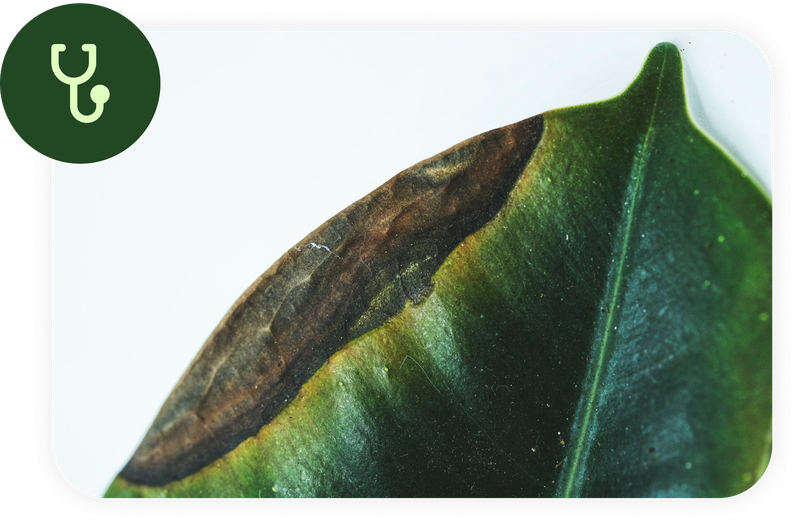
Dr. Planta’s plant-health workflow. Image source: Planta.
These features still have to survive contact with the actual flowerpot. Other reviews say that recommended watering frequencies did not suit their plants; the developer suggested switching to a custom schedule. Reminders can bring people back, but incorrect reminders can also damage trust. For a subscription product, the delight of identification lasts for a moment. Routine advice is tested again and again.
The Next Customer Is in the Plant Shop
Planta has also moved customer acquisition to the place where people buy plants.
Its partnership program for plant shops and garden centers sends retailers QR-code labels, displays, and instructions carrying the shop’s branding. Retailers place them on shelves or next to plants. A customer scans the code and receives a personalized care plan for the plant they just bought. Subscription revenue is then settled with the partner each month.
The important detail is not that Planta has created another advertising surface. It is the timing of the recommendation. The customer has just bought a plant and has not yet had a chance to care for it incorrectly. The tool for looking after that specific purchase is immediately available. The shop employee is explaining what happens after the plant goes home, rather than introducing an unrelated app.
Planta also provides a partner dashboard that promises to track scans, signups, and earnings. For the retailer, a recommendation that would normally end with the sale can remain connected to a later subscription. Its operational responsibility is comparatively simple: put labels and displays where customers will see them.
The program’s existence does not prove that it increases sales for a particular shop. Planta does not publish a named retailer’s before-and-after conversion data. What can be observed is the structure of the channel: a physical purchase creates a timely digital entry point, and subsequent subscription activity can be attributed back to the partner.
Referral Rewards Wait for Real Payment
Existing users follow a different referral system. Under the terms updated in September, the reward depends on account status, platform, and store availability. Members with access to Planta’s shop receive $10 in store credit. iOS members without store access can receive $10 in cash. Other eligible users receive two months of membership. An iOS cash balance must reach $30 before a withdrawal can be requested.
Store credit can lead to another purchase, free months can extend product use, and cash gives some members a direct return. The three rewards serve different purposes. More importantly, no reward is released until the friend completes the first paid month. Acquisition cost is tied to a subscription payment that has actually happened, not to an installation that may never open again.
This condition also makes the referral claim narrower than a typical growth headline. The updated terms show how Planta chooses to settle a referral, but they do not disclose the number of referrals, their conversion rate, or whether the program produced subscriber growth. The rules are evidence of commercial design, not evidence of commercial results.
From free watering reminders, to an annual subscription for complete care, to plant-shop QR codes and member referrals, Planta connects three moments. People can begin when a plant comes home, keep using the app during everyday care, and trigger a referral reward only when someone is willing to pay. AI recognizes the plant in front of the camera. The subscription business has to remain useful for every day that follows.