
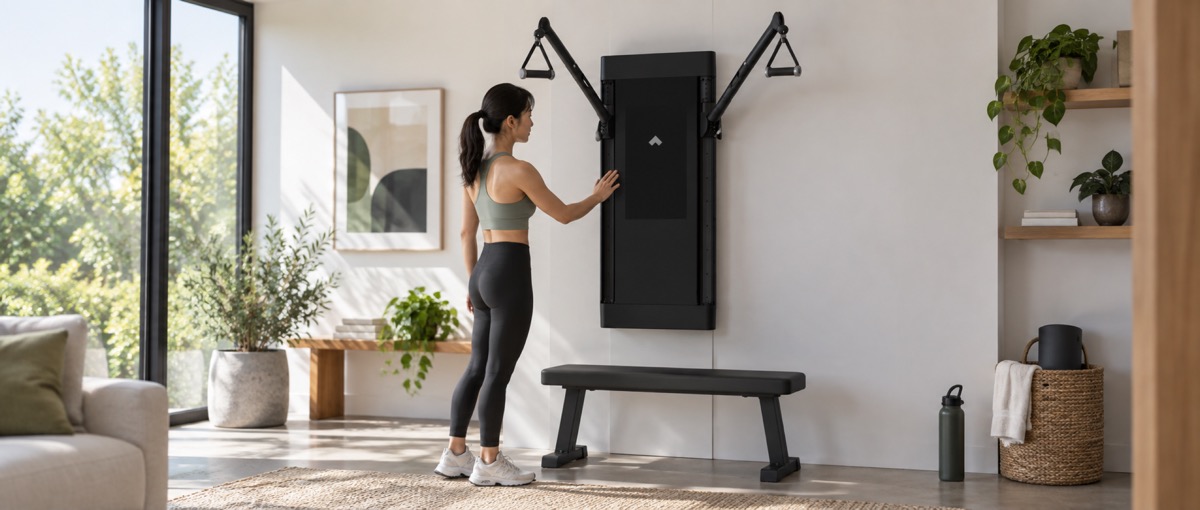
A strength-training machine hangs on the wall, with two articulated arms connected to cables and handles. You stand in front of its screen to squat or row. The machine supplies resistance, a camera watches the movement, and the software points out what should change. This is Tonal, not an ordinary cable machine at a gym. Tonal explains the feedback workflow in its Smart View guide.
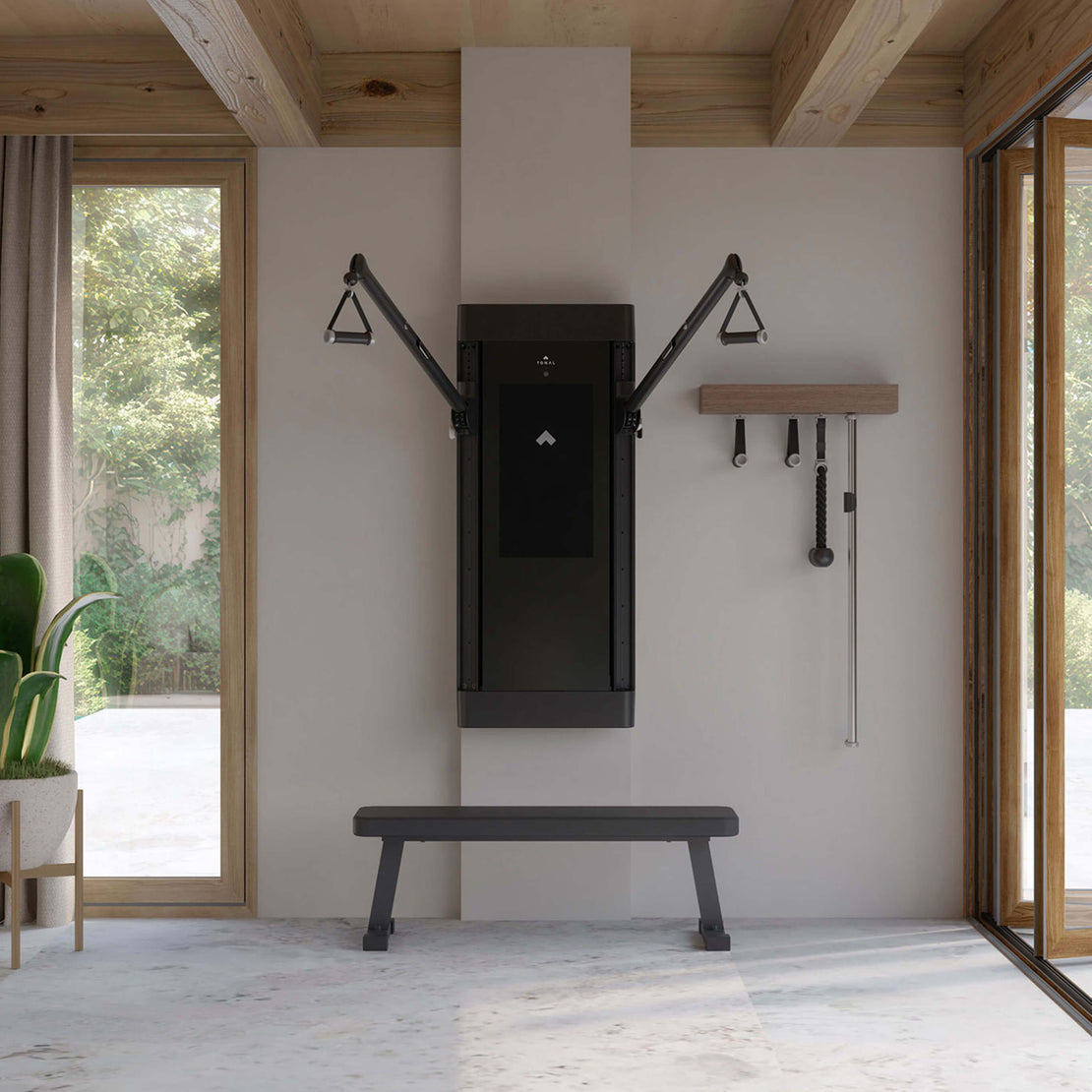
Image source: Tonal.
Bringing one home used to require a large purchase. Tonal now places buying and renting inside the same choice on its website. A Tonal 2 costs $4,295 before optional costs, while the standard rental price is $279 per month. Both options appear on the Tonal 2 product page.
This is not an installment plan that gradually transfers ownership. The customer is renting the right to use the machine, not slowly buying it. The rental partner, Whim, makes that distinction explicit in its rental explanation.
For a product that must be installed in a home and used consistently, that change matters more than adding one more AI feature.
The Machine Got Smarter, but Buying It Still Requires a Leap
Tonal introduced its second-generation machine in January 2025. Maximum resistance increased from about 200 pounds to 250 pounds, and the device gained a built-in camera. The camera is not there merely to show the customer on a screen. It gives the system another view of the exercise. Tonal describes the changes in its Tonal 2 launch article.
Smart View previously required users to position a phone nearby. Tonal 2 can use the built-in camera directly, and a phone can still provide a second side angle. The system reviews range of motion, symmetry, and pace, offers cues during the workout, and lets the user revisit clips afterward. Those functions are documented in Tonal’s Smart View guide.
AI has a specific place in this workflow. It intervenes after a person has picked up the handles and started moving. The customer does not first have to describe the workout to a chat box.
Drop sets offer another example. When the machine detects changes in movement speed and concludes that the user is beginning to fatigue, it can reduce the resistance automatically. The person does not have to stop and replace a dumbbell. Tonal includes that behavior in its feature overview.
Good Housekeeping fitness director Stefani Sassos tested Tonal for three months. She praised the compact design and the way the machine adjusts weight during training, while also treating price and installation as meaningful limitations. Her experience shows that the product received sustained hands-on use; it does not establish how many paying customers Tonal has. The details appear in her three-month review.
WIRED gave Tonal 2 an 8 out of 10, but still highlighted the cost of accessories and membership. A product can review well and still make a prospective customer hesitate at checkout. The tradeoffs are described in WIRED’s Tonal 2 review.
The customer is deciding more than whether the machine is good. Is there a suitable wall? Will the workout habit last? If the machine stops being useful after several months, what happens to a large device fixed inside the home?
Rental addresses questions that a specification sheet cannot answer.
Renting Changes the Decision That Comes Before Payment
Tonal did not build the rental operation alone. It connected its checkout to Whim. A customer selects rental through a participating brand, completes an eligibility review, and then continues through delivery and installation. Later, the customer can keep renting, request a return, or ask for a purchase quote. Whim outlines that sequence in its rental process.
Tonal’s monthly rental includes the machine, basic accessories, membership, and in-home installation. Replacement is free for issues arising from normal use, while serious damage caused by misuse may result in charges. Tonal lists the included items and conditions on its rental offer.
As of October 7, 2026, Tonal was promoting a limited offer for eligible new renters: $219 per month for the first three months, followed by $279 per month plus tax. The promotion began October 6 and was scheduled to run through January 18, 2027. The current terms appeared on Tonal’s website.
The discount does more than lower the first bill. It gives a customer time to test the product inside the actual home where it must earn a place.
| Option | What the customer accepts first | What can happen later |
|---|---|---|
| Purchase | Buy the machine, then pay applicable accessory, installation, and membership costs | Keep the machine for the long term |
| Rental | Pay rent and begin using the complete setup | Continue renting, request a return, or separately ask for a purchase quote |
The comparison is based on the public Tonal and Whim offers.
This is not a calculation of how many rental months it takes to own the machine. Whim says the arrangement is not financing, and ownership does not transfer automatically after a fixed number of payments. The next payment buys another month of use; buying the machine requires a separate quote. Whim states those conditions in its rental and purchase rules.
That creates a second sales entrance for Tonal. A customer no longer has to decide to own an expensive machine before a durable workout habit exists.
The Customer Rents More Than a Screen
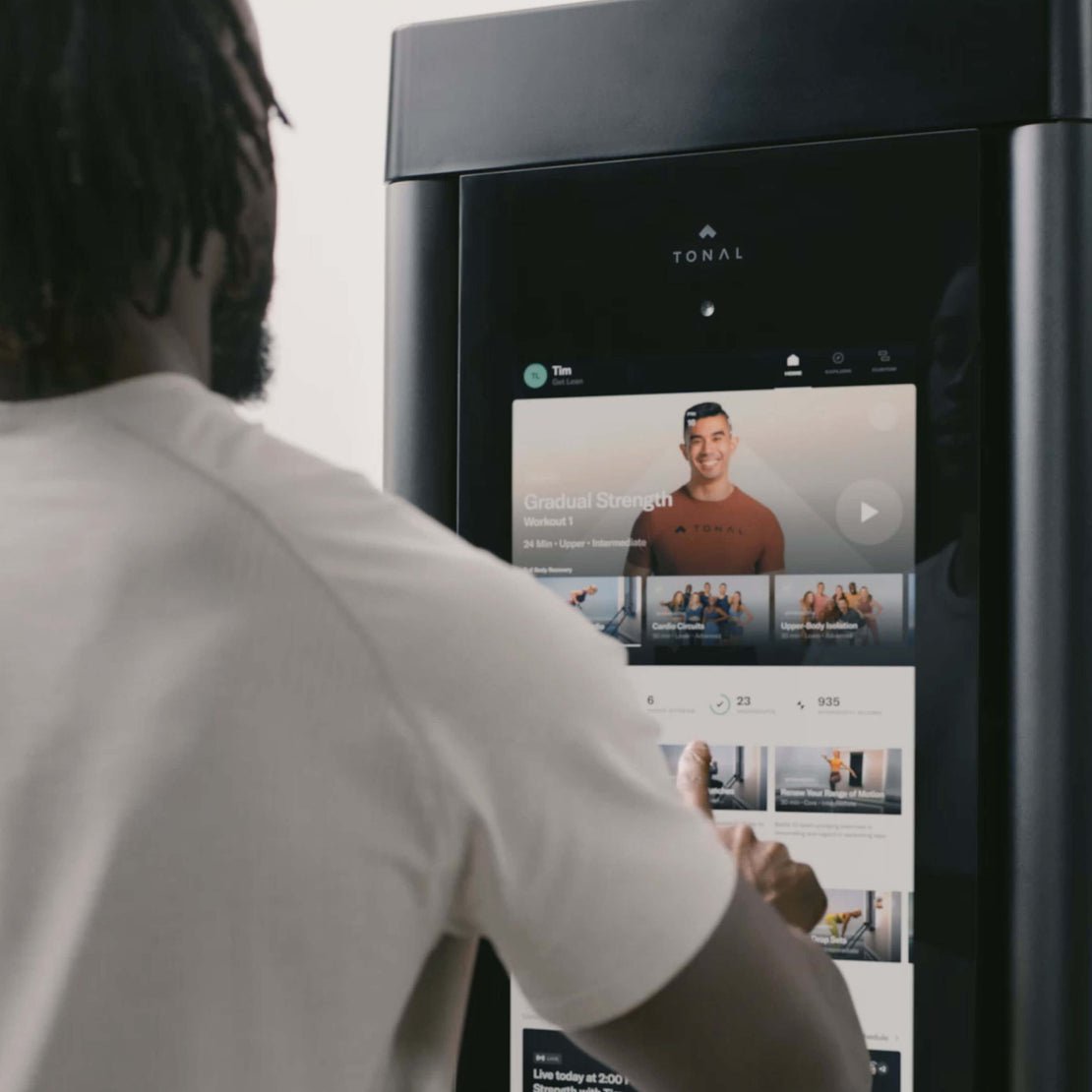
Image source: Tonal.
Buyers also need a membership. It costs $59.95 per month and requires a minimum 12-month commitment at purchase. Rental includes the membership in the monthly price. The two offers therefore package hardware and service on different bills. Tonal sets out the terms on its membership and purchase page.
Membership is not simply access to a larger video library. Tonal says that after the purchase commitment ends, a customer who cancels can still perform basic strength training, but recommended weights, some dynamic weight modes, and the complete personalized experience become limited. The remaining and restricted functions are described in Tonal’s membership guide.
Selling the machine is therefore not the end of the business. Whether it keeps making useful training decisions affects whether owners continue paying for the service. Rental brings that test forward. If the combined experience does not deserve to remain in the home, the user has a return option.
Software can be canceled online. A machine bolted to a wall cannot disappear with one click.
Installation May Be the Hardest Part
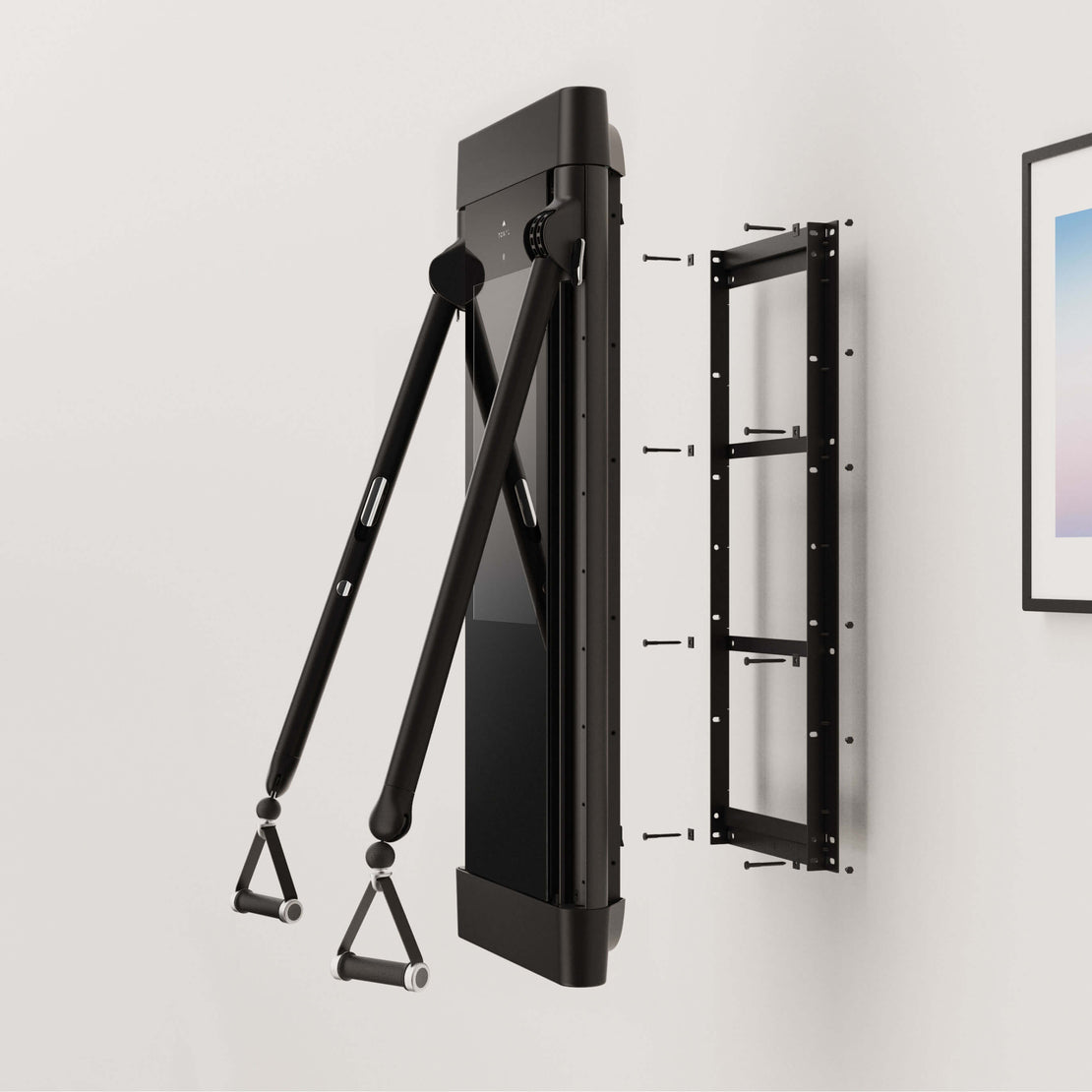
Image source: Tonal.
Tonal requires professional installation and does not support customer self-installation. Service is currently available across the 50 US states, without international delivery. Wall conditions and installation coverage keep this business from opening globally like an app. Tonal explains those limits in its delivery and installation FAQ.
One Reddit user’s account makes the operational difficulty concrete. The user said a rental was ordered on August 2, then canceled because the original installation location was unsuitable. After finding another location and ordering again, the customer tried to restore the first order. Tonal, Whim, and delivery partner RXO reportedly gave conflicting answers about which order was valid. Three weeks of calls followed, and the machine still had not been installed. This is one person’s account, not evidence of the overall failure rate, but it shows how a three-company handoff can break before the first workout. The story appears in the user’s rental order complaint.
Returns, replacements, and reinstallation also require someone to handle the physical machine. Rental makes entry easier, but it requires the provider to build a reliable path back out.
Tonal has added more than a monthly-payment button. It has changed the customer’s question from “Should I buy this?” to “Should I let this stay in my home for another month?” Answering that question requires both useful training every day and a service operation that does not force customers to coordinate installation or returns across several phone numbers.