
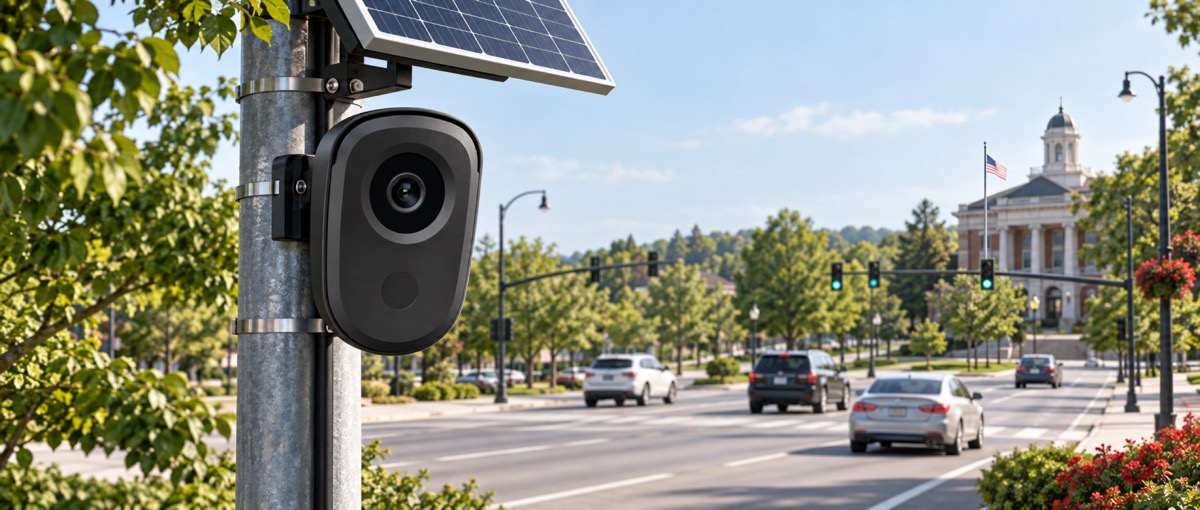
In December 2025, a vehicle was stolen in Columbia, Missouri, while two young children were still asleep inside it. After police issued an alert, a Flock license-plate camera captured the stolen vehicle. Officers used that record to continue the search and ultimately recovered the children, according to the Columbia Police Department’s annual surveillance-technology report.
The system did not ask AI to decide who was guilty. A roadside camera recorded passing vehicles, software read the plates and checked relevant lists, and officers reviewed the records that could help the investigation.
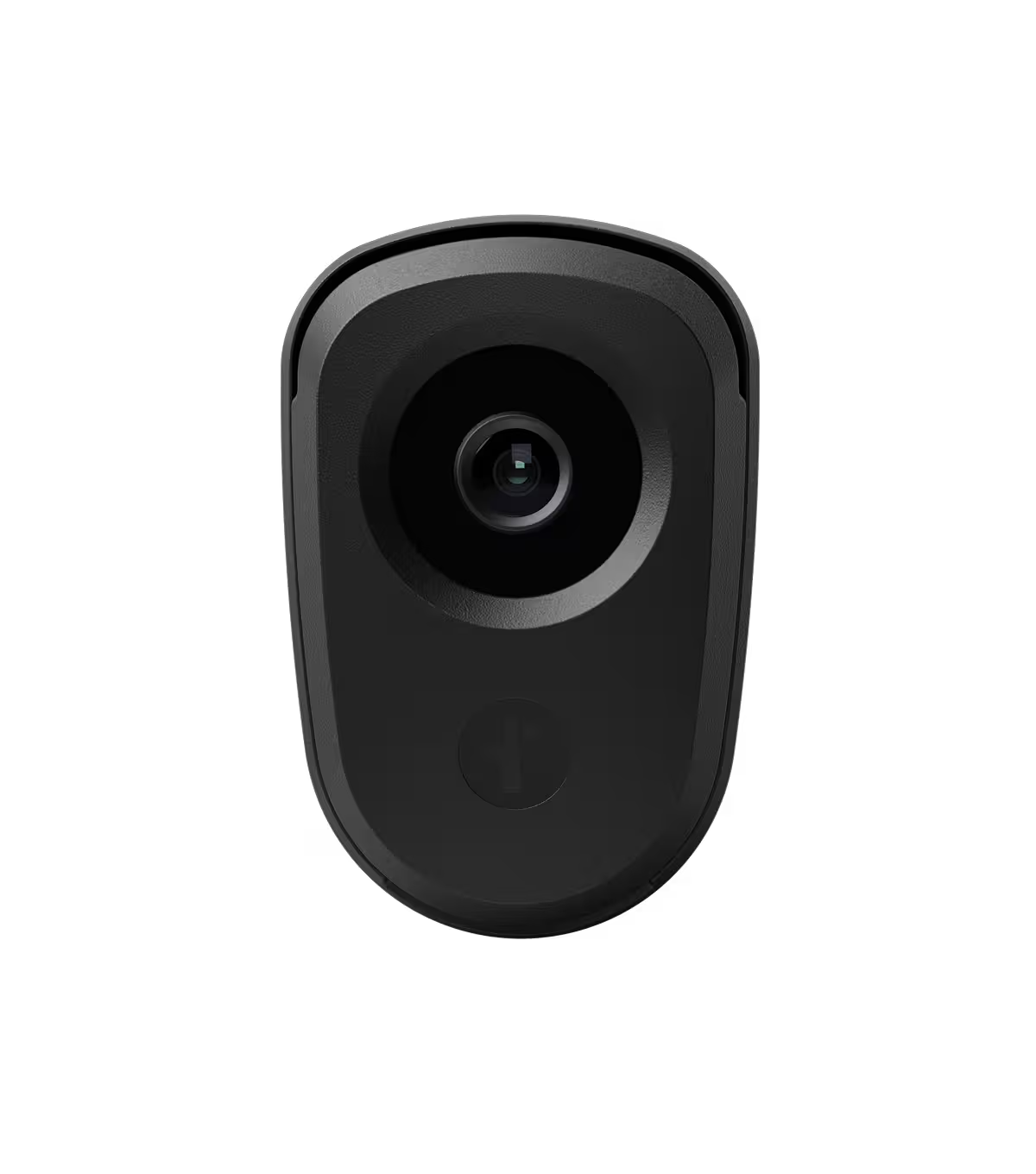
Image source: Flock’s website.
But Flock’s business does not end when a camera is installed. The device stays beside the road, while the bill returns every year.
Columbia projected approximately $515,000 in Flock-related spending for fiscal 2026. Its contract runs until March 2027, when the city will have to decide what comes next. For the city, the system is an ongoing budget item. For Flock, it is recurring revenue whose value must be demonstrated again at renewal. Those figures are planned public spending, not proof that every dollar has already been paid, and they come from the same official city report.
The Annual Fee Buys More Than a Camera
Flock does not publish one universal price for every customer. It quotes according to coverage, device count, and the combination of software products. The company packages hardware, installation, cloud access, maintenance, and updates into an annual service. If a customer does not renew, the process moves toward device removal and data transfer rather than leaving behind a permanently owned system. Flock describes that operating model in its pricing and renewal explanation.
That structure is different from purchasing conventional surveillance equipment outright. A customer is not only buying the ability to capture an image. It keeps paying for the equipment to remain operational, for the records to stay searchable, and for someone to handle maintenance when something fails.
A public purchase document from Brisbane, California, makes the structure more concrete:
| Item | Amount listed in the document |
|---|---|
| 12 Falcon cameras | $30,000 |
| Advanced Search | $2,500 |
| 1 Falcon Flex | $3,000 |
| Standard implementation service | $4,200 |
| First-year total | $39,700 |
| Recurring annual amount | $35,500 |
These are the quoted amounts in one city’s public order, not a nationwide price list. The signature fields in the document do not establish that every amount was paid. It specifies a 24-month initial term, annual billing, and continued Flock ownership of the equipment. The details appear in the Brisbane public purchasing document.
The most revealing line is not the unit price of a camera. Advanced Search appears as its own charge. The cameras create records, but software determines how easily those records can be used. Hardware gets Flock into the field; search expands what the contract contains.
This also means that an “all-inclusive” annual service cannot be understood without reading the specific order. Installation, software upgrades, and optional capabilities may be treated differently from one contract to another. The signed purchasing documents matter more than a simplified website promise.
Recording Something and Finding It Are Different Jobs
The hardest moment in conventional video review is often not the absence of footage. It is not knowing where to look.
Flock’s core platform offers filters for vehicle characteristics, real-time alerts, mobile access, and query records. An officer can narrow a search by attributes such as color, make, and model. When a vehicle on a relevant list passes a camera, the system can send an alert. These are the functions Flock describes on its platform page.
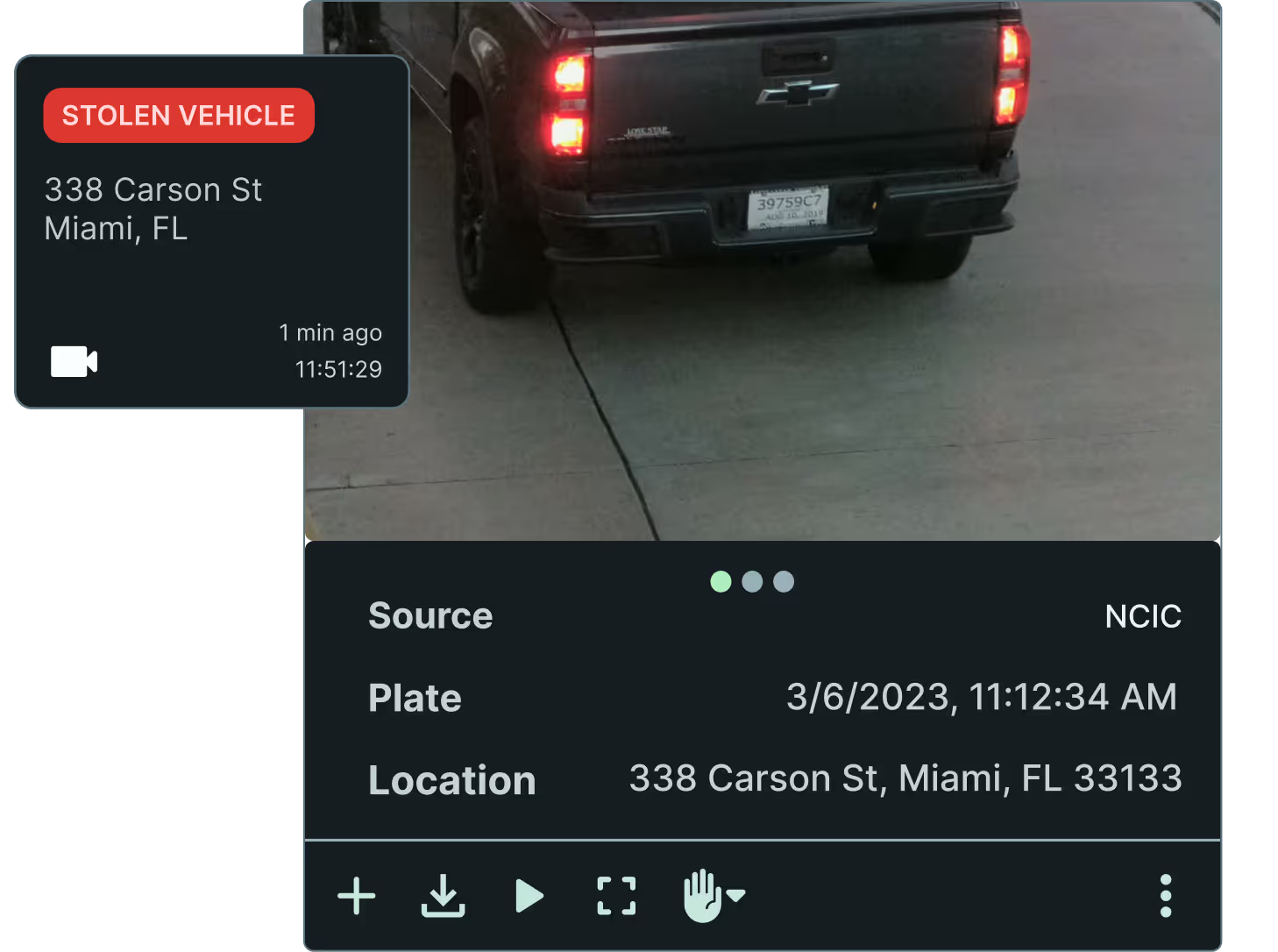
Image source: Flock’s website; the interface is an illustrative product view.
Oklahoma City’s deployment shows why the product boundaries matter. As of 2026, the city described 90 Flock license-plate reader devices. They capture vehicle snapshots with a location and time, not continuous video. The city also says they are not used for facial recognition or to issue speeding tickets. Those limits are documented in Oklahoma City’s official LPR usage explanation.
License-plate reading, video search, and facial recognition therefore should not be presented as one interchangeable capability. For a buyer, the distinction affects the permitted purpose, approval process, and policy controls. For a product team, it defines exactly which step of an investigation the software is meant to perform.
Flock adds FreeForm on top of those systems. It converts natural-language descriptions into search criteria for enabled vehicle records and video sources. An investigator who knows only a vehicle’s color, body type, or visible damage can use those clues to look for relevant material. Searches involving people rely on enabled video sources, not on the license-plate cameras themselves. Flock explains that separation on the FreeForm product page.
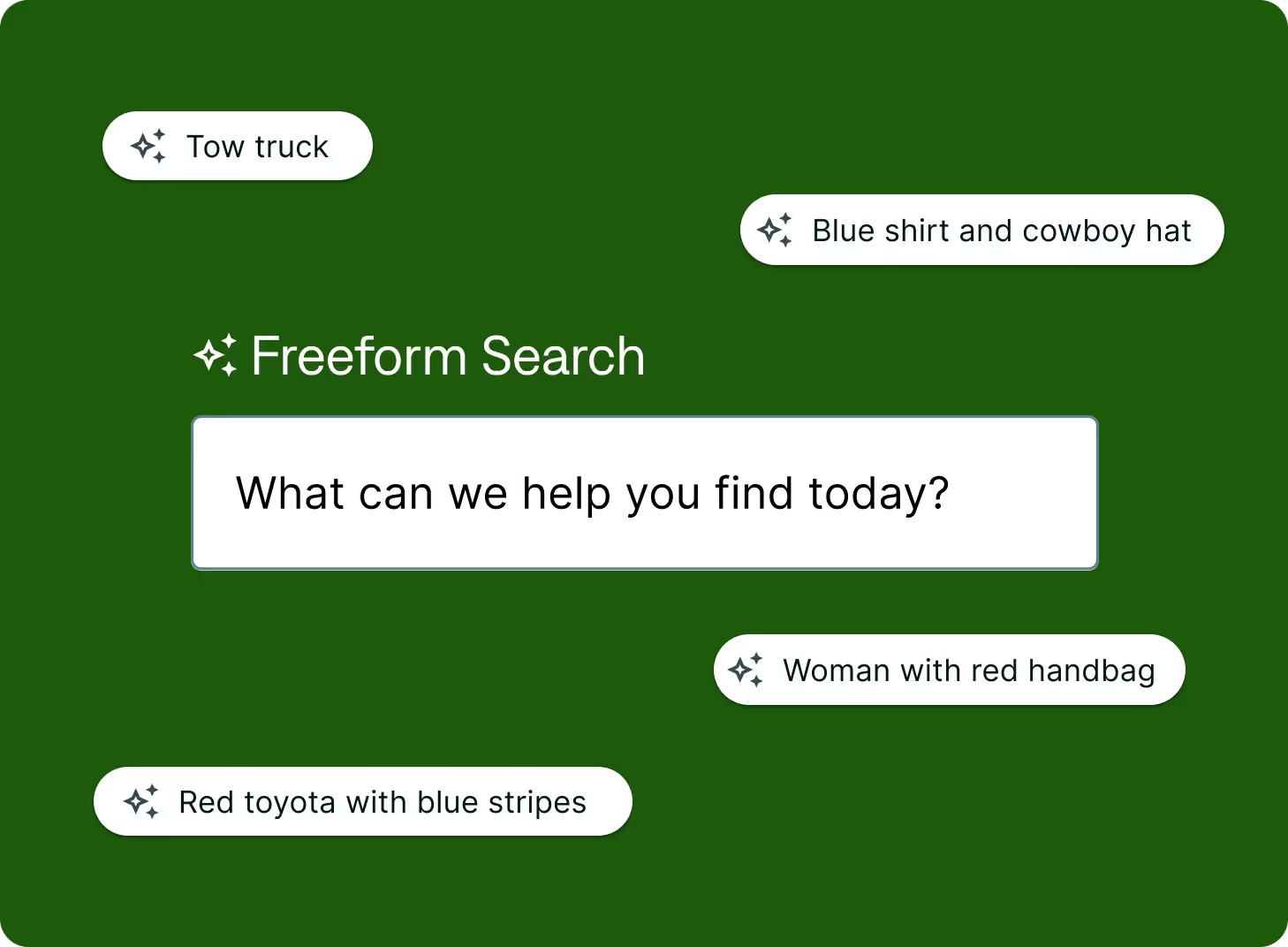
Image source: Flock’s website; this is a product illustration, not a screenshot from the Columbia case.
The commercial value of this AI layer is not conversational novelty. It is the ability to turn an incomplete description into a usable query.
Flock’s website quotes an operator at the Elk Grove Police Department’s real-time information center. The operator says a vehicle search that once involved roughly 6,000 records could be narrowed to three candidates with FreeForm. That is a vendor-published customer account, not an independently audited productivity study, so it should not be generalized into a universal efficiency claim. It still identifies a specific reason to pay: the customer is not merely storing more photographs; it is reviewing fewer of them. The account appears on the same FreeForm page.
From One Device to a Citywide Contract
Selling cameras usually means quoting locations and unit counts. Flock’s larger commercial move is to expand the purchasing unit to an entire city.
Its Safe City offer combines detection, investigation, and response products in a long-term subscription that includes deployment, training, maintenance, and updates. Flock says payment arrangements can extend for five to ten years. That is an available vendor program, not evidence that every city accepts such a term. The offer is described on Flock’s Safe City page.
The larger package changes the sales conversation. A customer no longer asks only how many cameras should be installed at one intersection. It asks how existing devices, investigators, dispatchers, and other staff will work together. The camera provides the initial point of entry, while the agreement can gradually cover more roles and more stages of work.
For Flock, a longer contract can create room to extend the service. For a city, one package can reduce some of the coordination required by separate purchases. That convenience has a cost: the longer the term, the more clearly the parties need to define future budgets, equipment removal, data access, and exit procedures before signing.
The difference between the sales offer and the actual commitment is important. Flock advertises arrangements that can last five to ten years, while Columbia’s current term is two years. A product can make a longer option available without proving that customers will accept it.
Finding a Vehicle Does Not Guarantee Renewal
On October 1, 2026, Axios reported that the El Paso County Sheriff’s Office in Colorado had stopped using Flock cameras. The sheriff cited concerns about the program’s future and expected changes in state legislation, after previously crediting the system with helping apprehend suspects. The sequence is described in Axios’s report on the shutdown.
That reversal exposes a constraint on the subscription model. Technology can be useful in a specific case and still fail to retain a customer.
Public agencies also have to answer questions beyond whether the search works. Who is allowed to query the system? What reason must be recorded? How long is the data retained? Can records be shared with outside organizations? These are not policy notes to add after launch. They are part of procurement and renewal.
Oklahoma City says each search requires a valid reason and creates an audit record, while access is limited to trained, authorized personnel. Contract renewals and expansions above $50,000 require city council approval. The city also says it has no current plan to add more devices. Those controls and limits appear in the city’s official usage explanation.
Flock therefore cannot be understood only as a story of putting more cameras on streets. It combines field hardware, search software, and continuing service in one annual bill. The same arrangement brings maintenance obligations, usage rules, budget review, and public trust into every renewal discussion.
Hardware can help an AI company win the first contract. Keeping the next year’s invoice depends on whether the customer is still willing to assume responsibility for the entire service.