
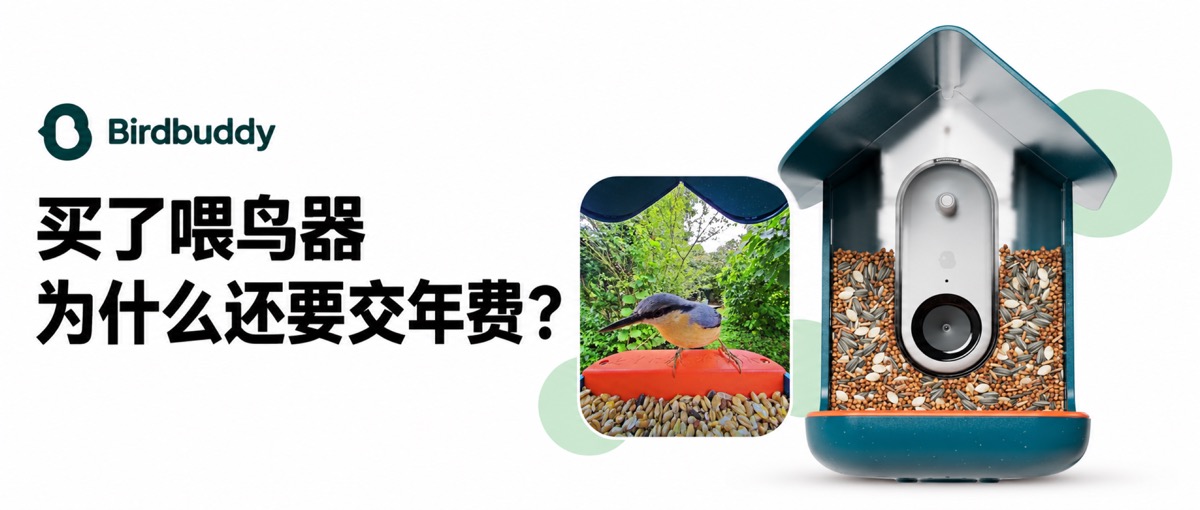
Marin Plank bought her husband a camera-equipped bird feeder and ended up becoming the birdwatcher herself. In a 2025 report, the Associated Press described how she began posting Birdbuddy’s photographs to Facebook and even started receiving bird-themed Christmas presents. The device sends close-up photographs and video clips to a phone, so a person does not need to wait by the window to learn which birds visited the yard. Her experience appears in the Associated Press report.
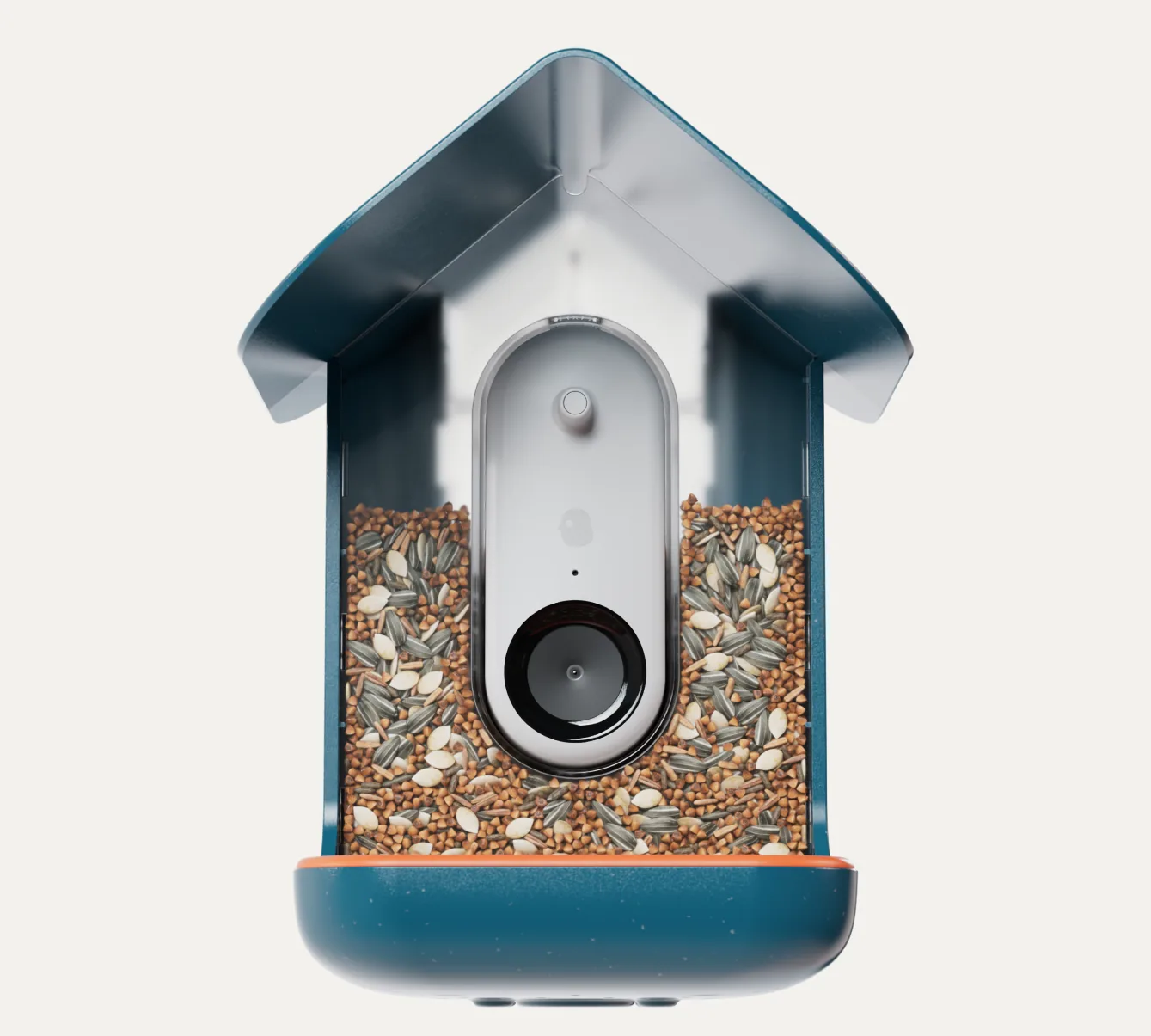
A feeder can already produce one hardware sale. Birdbuddy wants the watching, identifying, collecting, and sharing that follow to become recurring revenue.
Its purchase page presents that decision at checkout. The Smart Bird Feeder Pro Solar V2 was listed at a promotional price of $189. The version bundled with a Family Membership also kept the hardware price at $189, included one free month, and then renewed at $98.99 per year. By placing the two choices together, Birdbuddy asks customers to decide whether to buy the continuing service at the same moment they buy the device. The current options appear on the official product page.
That creates the central question: after paying for a “smart” bird feeder, why should someone still pay an annual fee?
Capturing a Bird Is Not Yet a Complete Product
Birdbuddy began as a crowdfunding project in 2020. It did not simply relabel a general-purpose security camera as AI. The company designed around a fixed physical scene: food attracts a bird to a known position, the device records the visit, software processes the media, and the app delivers photographs worth seeing. The company recounts that start in its early team story.
That workflow differs from taking a bird photograph with a phone. A person needs to be present with a phone, and the bird may not cooperate. The feeder first solves the problem of getting a bird to approach. The camera can then wait for the visit. The food, perch, viewing angle, and distance from the lens all shape what the system can capture.
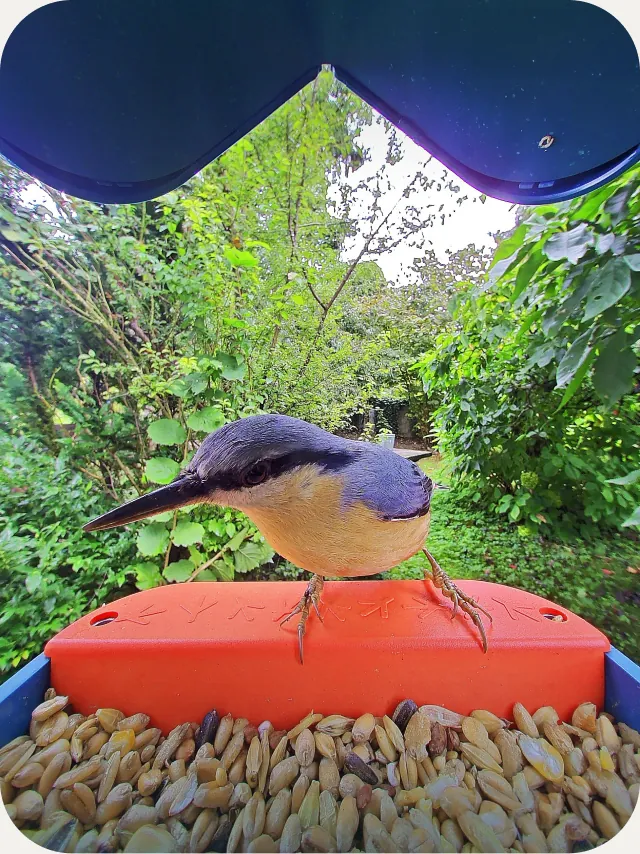
After capture, AI has to filter the material. Birdbuddy describes a pipeline that checks whether a bird is present, evaluates image quality, detects and crops the bird, and then classifies the species. It trains the model with images recorded by its own devices and warns that feeder placement can affect identification quality. The steps and placement caveats appear in Birdbuddy’s species-identification documentation.
The product removes a chain of small tasks: reviewing footage, finding the bird, choosing a useful frame, and looking up its name. The user does not receive a surveillance recording that still needs sorting. The user receives a visit that can immediately be viewed, saved, or shared.
The experience still depends on more than a model. WIRED’s 2025 review praised the camera and app experience while identifying battery life as a continuing weakness. A smart feeder must first work reliably as outdoor hardware before its software can create value. The tradeoff is documented in the WIRED product review.
What Does the Annual Fee Actually Buy?
Birdbuddy’s current membership design does not put every photograph behind a subscription.
The company says free access includes automatic capture, delivery of photographs and video, downloading and sharing, and manual use of enhanced identification. An individual membership applies enhanced identification automatically and adds features such as naming regular visitors. A Family Membership extends paid benefits to guest accounts connected to the device and gives those guests access to live viewing. Birdbuddy explains the distinctions in its membership guide.
The paid difference is therefore not only whether AI exists. It is also whether a person has to process each visit manually and who else can share the experience.
| Purchase | Current public price | Intended customer |
|---|---|---|
| Smart Bird Feeder Pro Solar V2 | $189 promotional website price | Someone who wants automatic bird capture in a yard |
| Individual membership | $69.99 per year in the US App Store | Someone who wants automatic identification and more app features |
| Family Membership | $98.99 per year after the website bundle trial | Someone who wants relatives or friends to share membership benefits |
| Bird ID Pass | $3.99 per month or $39.99 per year in the US App Store | Someone without a feeder who wants to identify birds from phone photographs or sound |
These prices were checked on October 5, 2026. The US App Store lists additional annual purchase items, which does not mean every user receives the same offer. The table distinguishes website bundles from in-app purchase pricing. The current in-app items appear in the US App Store listing.
The family plan is particularly important. The person who purchases a feeder may not become the household member most interested in watching the birds. A single camera remains in one yard, while the content can reach relatives in different places. The hardware has one fixed location, but the software audience can expand.
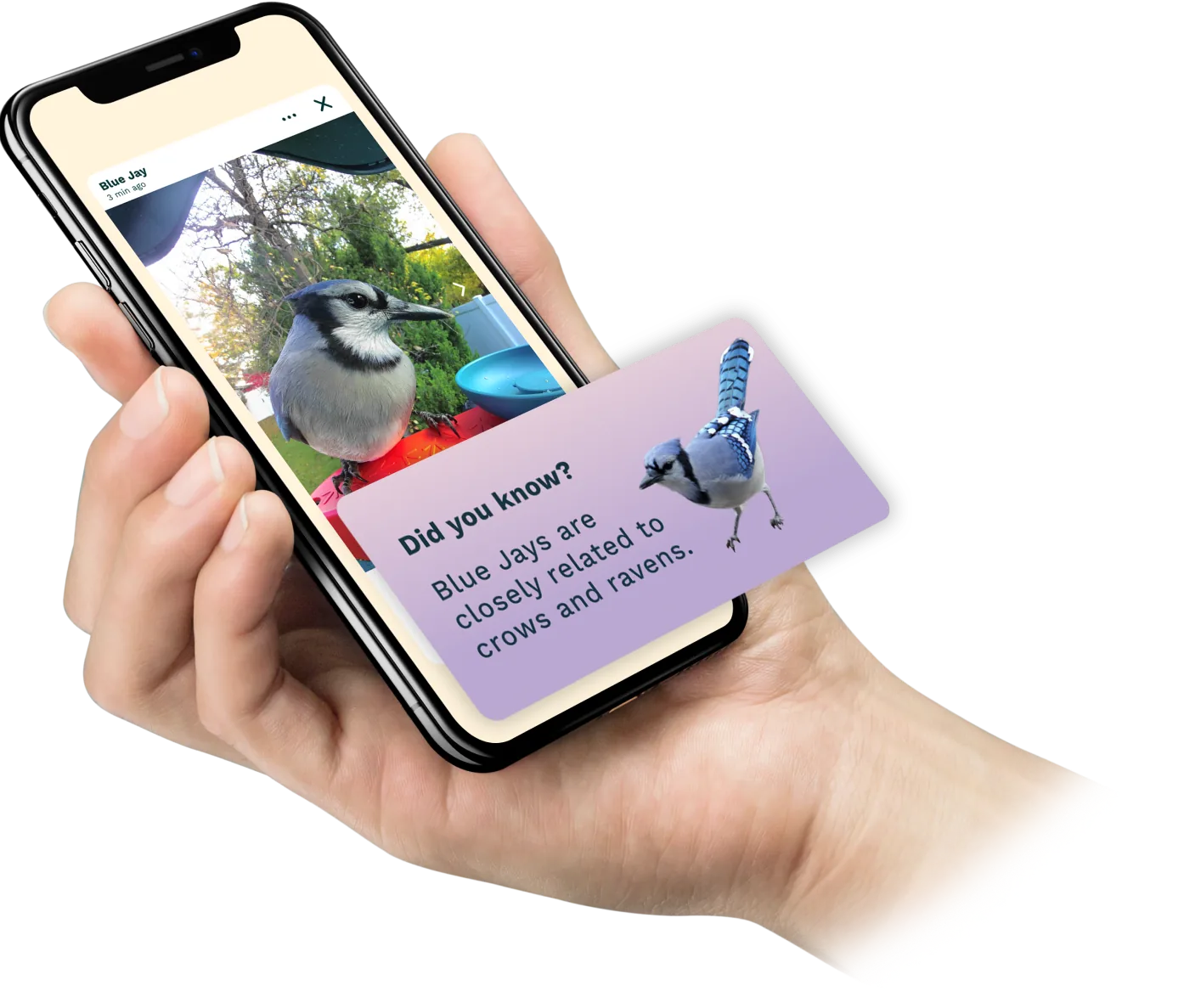
That also explains why sharing a photograph and sharing a membership are different products. A friend who receives one image may look once and leave. A relative with guest access can make the same feeder part of an ongoing routine. Birdbuddy is trying to turn one household’s device into a shared stream of events rather than a collection of isolated posts.
Customers Can Now Start Without Buying the Hardware
Birdbuddy has introduced a lighter entry point called Bird ID Pass.
A user does not need a feeder. The mobile app can identify a bird from a new phone photograph, an existing image, or a recording of its call, and the observation can be added to a collection. Birdbuddy’s instructions tell users to keep the environment quiet, record for ten seconds, and then review possible sound matches. These are deliberate phone captures, not automatic processing of media delivered by a feeder. The workflow appears in the Photo and Sound ID guide.
This product separates the app from the original requirement to buy hardware. A yard, a place to mount the feeder, and the device budget are no longer prerequisites. Hardware customers pay for automatic capture. Mobile-only customers pay for identification they can carry with them. One brand is now serving two different habits.
Selling identification by itself, however, puts Birdbuddy into a market where charging is harder.
Cornell University’s Merlin Bird ID offers photo and sound identification for free, and both features can work offline. For someone who only wants to learn a bird’s name, a paid plan is not the only available path. Merlin describes those capabilities on its official product site.
Birdbuddy’s more distinctive hardware advantage is therefore not simply, “we can identify this bird too.” It is, “we can capture the bird while you are absent and organize the visit for you.” Once Birdbuddy leaves the feeder behind, it needs a specific reason for someone to pay. Moving the same recognition model to another input is not sufficient on its own.
The Hardest Product Decision Is Where to Draw the Paywall
Membership can create recurring revenue, but it also changes how customers interpret the hardware they already bought.
In a 2026 Reddit discussion, some users said they received an email explaining that automatic identification would require membership and complained that a familiar experience had moved into a paid tier. Other participants said they had mainly bought the product for the camera and did not consider identification essential. These comments do not represent the entire customer base. They do reveal two very different reasons for making the original purchase. The discussion is available in the BirdBuddy community thread.
A customer who believes the product is primarily a camera may accept payment for family access and easier organization. A customer who believes the purchase already included an automatic bird-identification device may interpret the same subscription differently: an ability that felt purchased once now appears to require a second payment.
Birdbuddy’s current membership documentation also adds a qualification to personal live viewing. Whether it remains available without payment may depend on when someone began using the app. A single feature comparison table cannot fully explain those different entitlements. The company must communicate separately what it promised to existing owners and what a new customer receives today. That qualification appears in the same membership and live-viewing documentation.
Birdbuddy now offers several buying paths around the same subject: a camera feeder, an individual membership, a family membership, and phone-only identification. The interesting move is not merely that hardware can support a subscription. One bird visit creates several distinct jobs. One customer wants the visit captured, another wants the species identified, and another wants to watch together with relatives.
Those jobs can be priced separately. Whether customers keep paying depends on whether the new convenience feels more valuable than the frustration of being asked to pay again.