

A dog suddenly starts vomiting. Should its owner go straight to a clinic or wait and watch overnight? British pet insurer Waggel gives some customers another option. When they buy a policy, they can select a remote-triage plan with a lower premium. For each new condition, they must use Joii to check the symptoms or speak to a vet on their phone before visiting a physical clinic. If they skip that step, a non-emergency claim may carry an additional GBP 50 charge. Life-threatening emergencies are exempt. Waggel’s plan explanation states those conditions explicitly.
This does not mean every pet-insurance customer must ask AI before seeking treatment. The triage plan is optional, and completing triage does not necessarily mean using AI: a video consultation with a vet also satisfies the requirement. Yet an app that once depended on owners remembering to open it has been written into an insurance contract as a formal step before care.
From “Open It When Something Is Wrong” to “Open It Before the Vet”
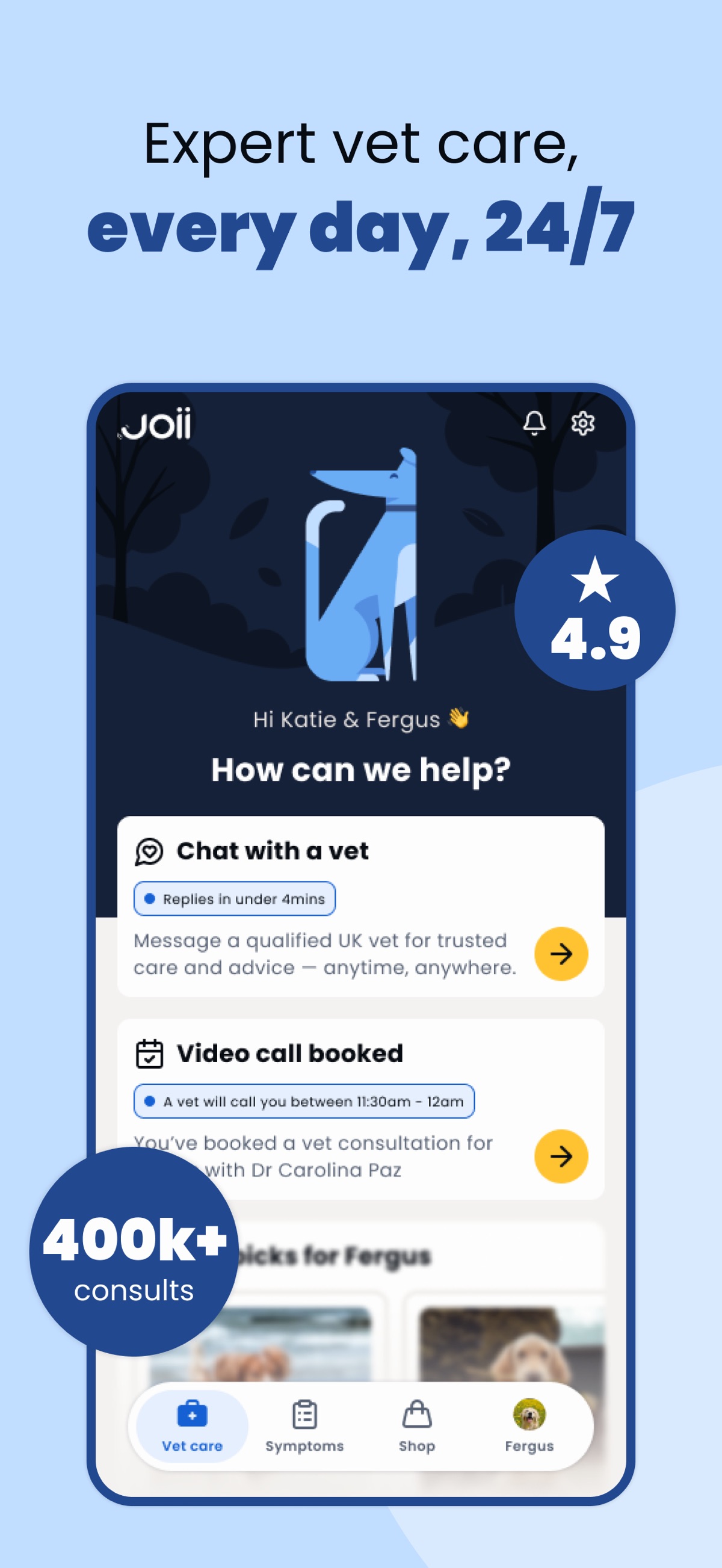
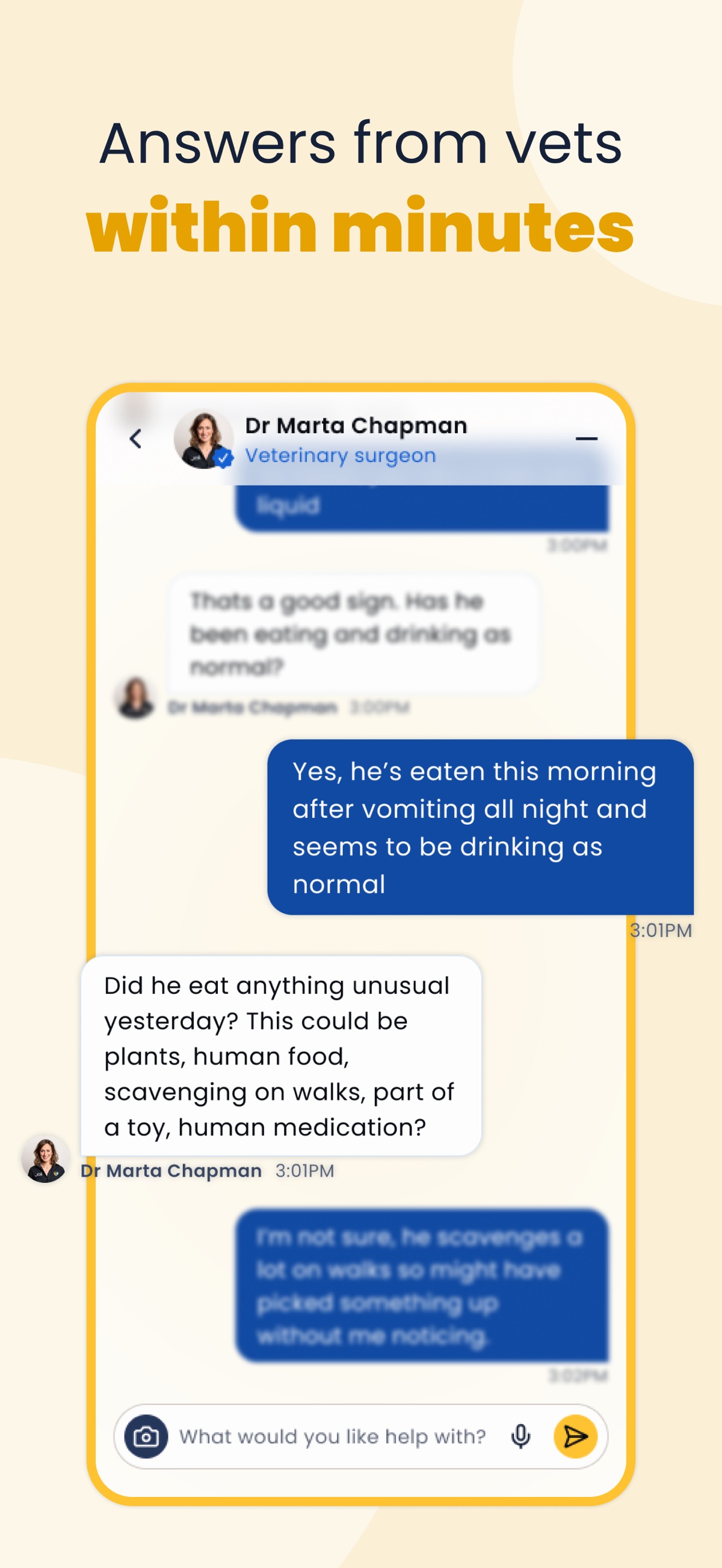
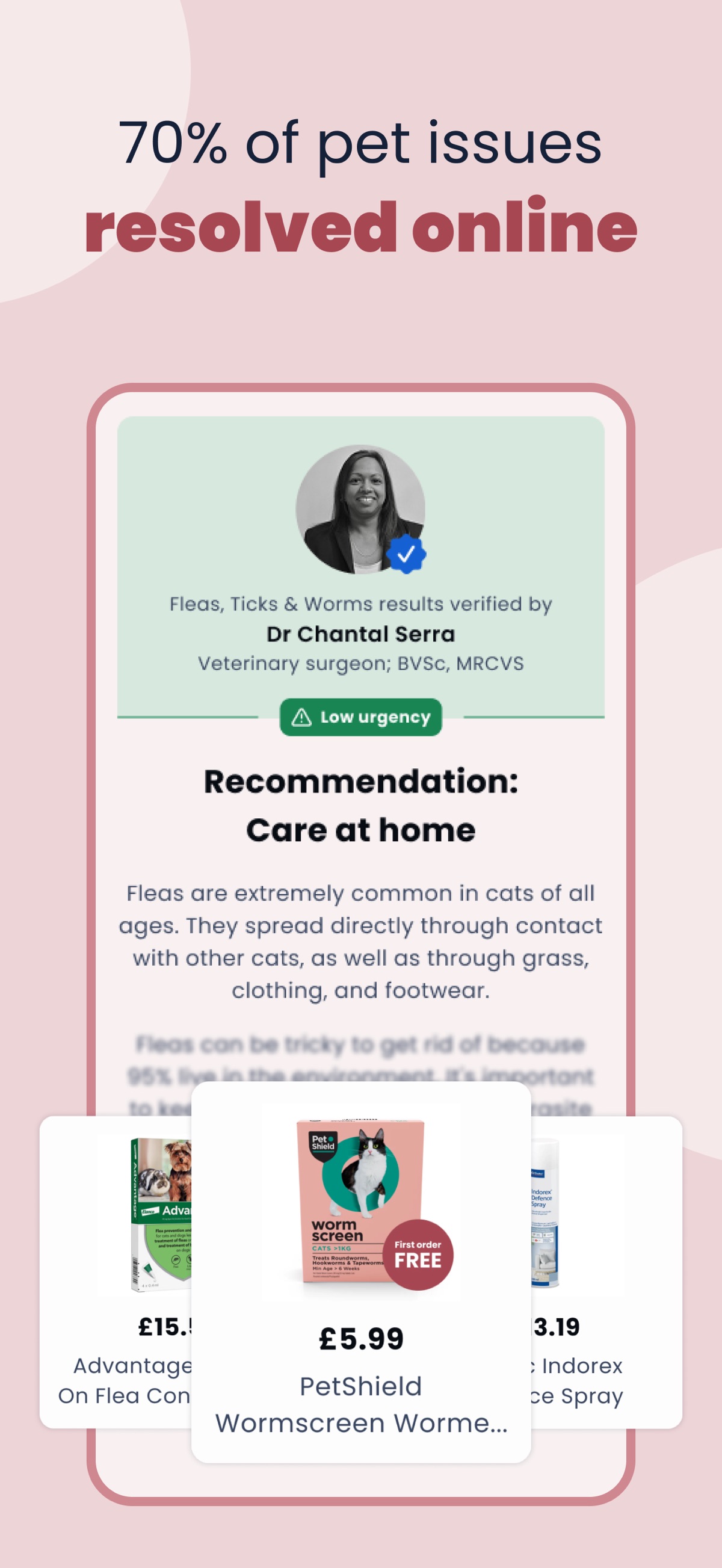
Joii is a pet-health app from the British company Vet-AI. An owner enters a cat’s or dog’s symptoms and can upload photos or video when necessary. The AI asks follow-up questions, then recommends emergency care, an in-person appointment, an online vet, or observation at home. Veterinarians help design and monitor the system’s judgments and rules, while video consultations are still conducted by human vets. Waggel’s description of the workflow lists those possible outcomes. Joii’s own site places the symptom checker and online vets in the same entry point.
Sold directly to a pet owner, Joii charges GBP 28 for an online consultation. Policyholders at partner insurers can use consultations at no additional charge. Joii’s published pricing makes the two routes visible. Public information does not reveal whether an insurer pays Joii per member, per consultation, or under another commercial arrangement. “Free for the customer” therefore should not be mistaken for “the service produces no revenue.”
Waggel changed where the service sits in the customer journey. It did not merely place a download link on a page of policy benefits. Customers who choose the triage plan must go through the Joii process whenever a new condition appears. The policy wording effective in 2026 records the requirement. Waggel’s triage FAQ adds that a customer can complete the step either by following the symptom checker’s instructions or by speaking directly with a vet on video. A serious emergency can go straight to a clinic, and the extra GBP 50 is waived if the treating vet later confirms that it was an emergency.
For the insurer, this step is more than a customer-experience feature. When an owner is uncertain, the default response may be a clinic visit that creates an examination cost and a possible claim. Remote triage inserts a lower-cost judgment before that visit. Customers who accept the plan receive a lower premium in exchange for changing the order in which they seek care. Waggel’s plan page explains that exchange publicly.
The design aligns incentives but does not prove the size of the financial result. Waggel hopes to reduce unnecessary clinic visits. Public data cannot show that every triage session followed by no claim prevented a visit that would otherwise have happened. Some mild cases would have improved without a clinic, and some owners may have sought care elsewhere. The policy integration is verifiable; the counterfactual savings are not.
This Is Not an Add-On Nobody Uses
In February 2026, Waggel reported that more than 28,000 customers had used the triage service during 2025 and more than 67,000 were eligible to use it. It also said that more than three-quarters of new policies had selected the optional triage plan since the beginning of 2025. The figures come from the insurer and have not been independently audited. Selecting the plan, being eligible, and actually using triage are three different measurements. Even so, they show that Joii was not merely listed among partner benefits. It entered the care-seeking process for a substantial group of customers. The numbers appear in Waggel’s own disclosure.
The same disclosure says roughly 80% of customers who used triage did not submit a claim in the following 30 days. That is an interesting operational signal, but it cannot be rewritten as “AI eliminated 80% of claims.” Minor conditions might never have generated a claim, the sample is self-selected, and the statistic does not reveal whether a customer obtained treatment outside Waggel’s claims process.
Waggel later reported a more concrete safety outcome. In August 2026, it said the system had flagged more than 4,700 potentially life-threatening pet emergencies since July 2025. This is also a company-reported figure rather than an independently audited accuracy study. It counts alerts, not confirmed diagnoses or clinical sensitivity. The follow-up disclosure nevertheless shows the other side of triage: the product is expected not only to keep low-risk cases away from clinics but also to accelerate genuinely urgent ones.
Adoption matters because an insurance partner gains little from a benefit that policyholders never use. Joii’s contract position creates a stronger distribution loop than a normal app-install campaign. The lower premium gives customers a reason to select the plan. The policy rule gives them a reason to return when a new problem appears. The emergency exception and access to human vets give the system a path for cases that should not be left to software.
That loop also makes the distinctions between the numbers important. More than 67,000 eligible customers describe distribution. More than 28,000 users describe service adoption. The percentage selecting the plan describes enrollment among new policies. None of those figures discloses how much the insurer pays Joii or how profitable the arrangement is. They establish that the workflow is used, not the economics of the underlying contract.
The Insurer Is Buying More Than a Chat Box
Joii began as a remote veterinary service and later added AI follow-up questions, symptom assessment, and image tools. To a pet owner, it is a vet entry point that is available on a phone. To an insurer, it moves a possible claim earlier in time and turns it into a request that can be routed. An EMARKETER report from April 2026 says another pet insurer, ManyPets, also integrated Joii into its insurance app. That is evidence of channel expansion. It is not a disclosed contract value, a count of newly paying users, or proof that every integrated customer used the service.
The difficult part of the business appears after the initial question. Advising the owner of a sick dog to observe it at home carries a different consequence from a chatbot answering a trivia question incorrectly. Joii has to identify dangerous symptoms quickly and hand uncertain cases to a human vet. The insurer has to preserve a direct route to a clinic for emergencies. Waggel’s policy includes both “triage first” and an emergency exemption because that safety boundary is part of the commercial product, not a separate disclaimer.
Human veterinary care is therefore not a sign that the AI workflow failed. It is one of the workflow’s required outcomes. The system can resolve a low-risk question remotely, escalate an unclear case to a video vet, or send an emergency directly to a clinic. The commercial value comes from routing each request to an appropriate level of care while maintaining enough trust for the insurer to put the process in a policy.
Joii is developed by Vet-AI, a company founded in 2018. The recent change is not the appearance of another AI symptom checker. During 2025 and 2026, insurers placed the app between premiums, the order of care, and the claims process. A consumer may hesitate to pay merely to discuss a pet’s symptoms with AI. An insurer, however, may reserve a formal place for a triage service that customers demonstrably use and that can still send them to a veterinarian when the risk demands it.