

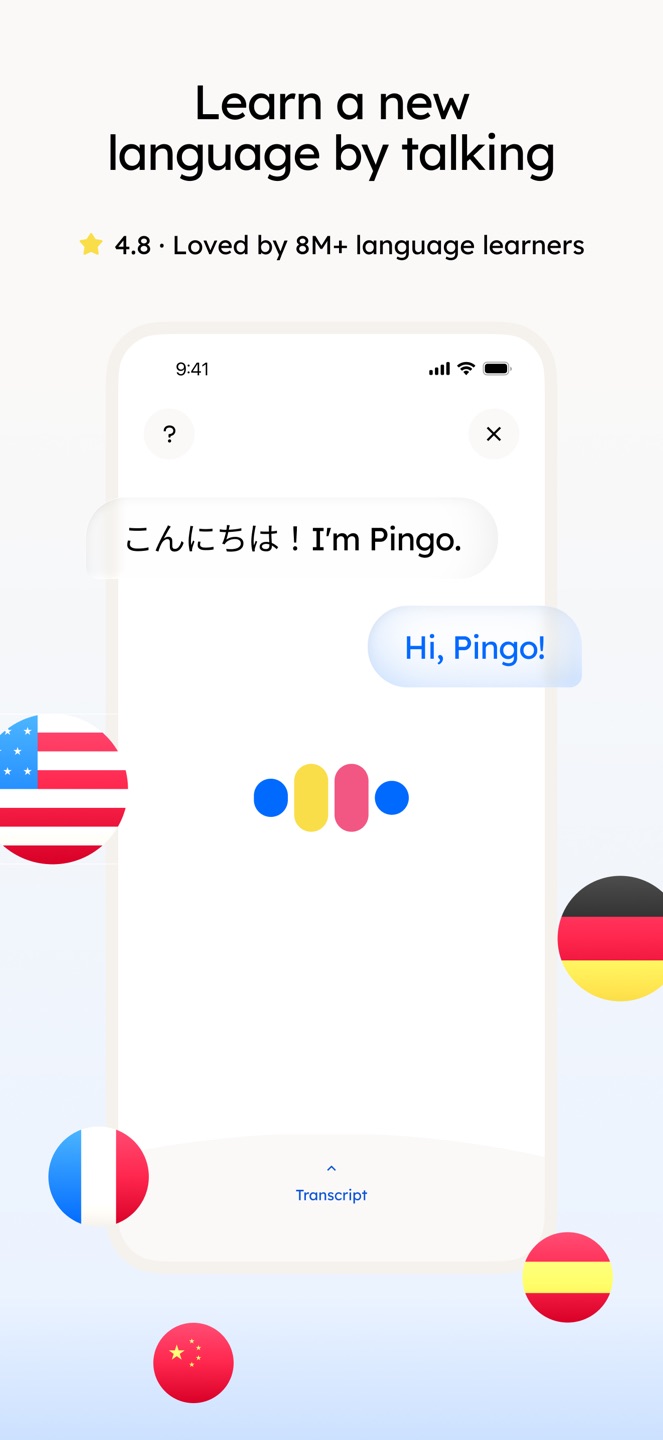
A language learner opens Pingo, chooses a restaurant, directions, or interview scenario, and speaks into a phone. The AI answers and suggests better wording. In April 2026, co-founder Morrie Schonfeld shared a less celebratory growth number in an interview on the Superwall Podcast: Pingo had attracted roughly 200,000 users in Russia and generated no revenue from them. The figure is a founder account and has not been independently audited, but it explains why the team stopped treating total views as the only distribution metric.
In the same interview, Schonfeld said Pingo’s social content had reached four hundred million views in one month, the product had accumulated about three million users, and monthly revenue was approaching $500,000. Those are also founder-reported figures. Video views are not downloads, and total users are not paying subscribers. The Russian audience makes the distinction unusually clear: a consumer AI app can be extremely good at spreading while failing to collect money where that attention arrives.
Let Creators Discover What Makes the Product Watchable
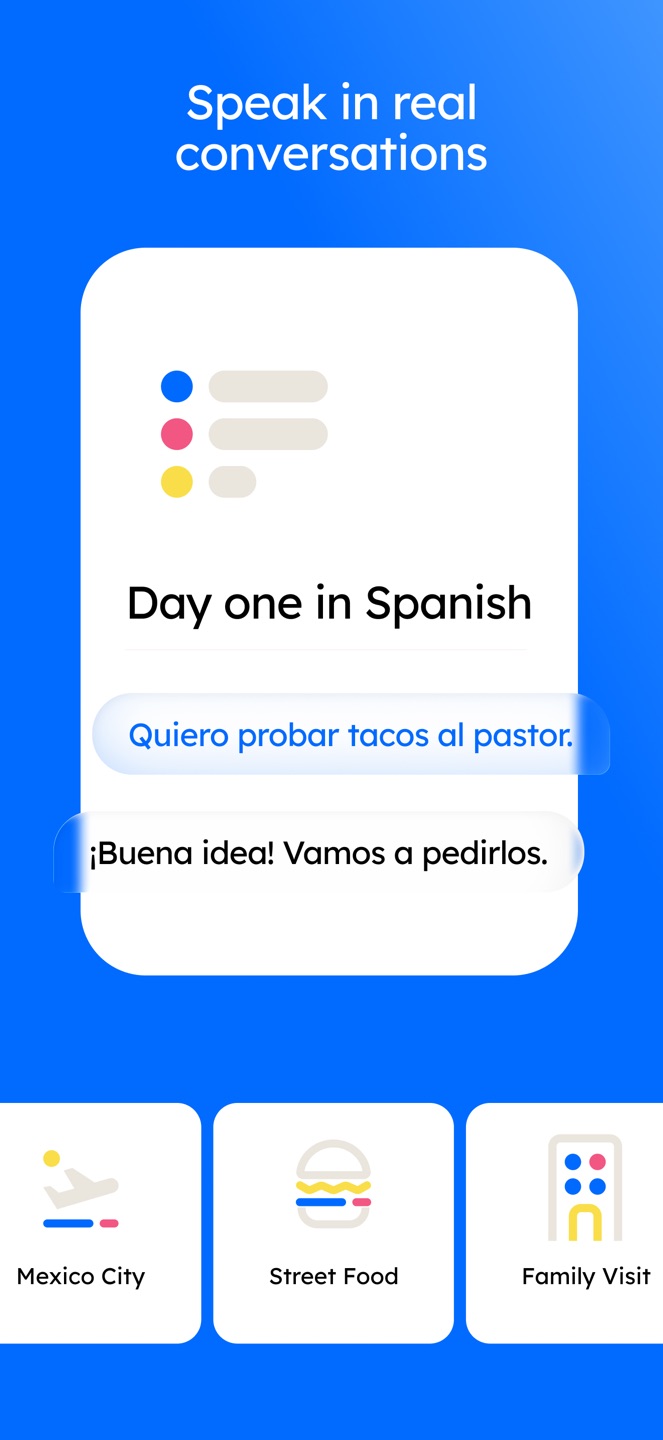
Pingo did not simply film advertisements that said “learn a language with AI.” It let users choose their own conversation settings and turn AI practice into short-form videos. Schonfeld said one format, in which learners asked the AI to roast them in another language, emerged from creators experimenting with custom scenarios. Related videos reportedly accumulated about fifty-two million views. The team did not prescribe every script in advance. It made the product itself something creators could perform with and adapt. The numbers in the interview have not been independently verified, but custom conversations are visible on both Pingo’s website and its app-store descriptions.
Schonfeld also described a system for managing about one hundred content creators. Pingo retained the strongest performers, coached the middle group, and removed roughly the bottom thirty percent. The head count and percentages come from the founder rather than a public advertising report. The operating method matters more than the exact ratio. For Pingo, creators are not one-time media placements. They bring the product to an audience while also testing which kinds of AI conversations people are willing to watch.
The reason someone watches a funny language video is not necessarily the reason that person keeps paying to practice speaking. A roast format may stop a viewer’s scroll, but it can also take the product into a market with weak willingness to pay, inconvenient payment access, or a price that does not fit local economics. The interview does not separate pricing, payment channels, retention, and other possible causes of the Russian result, so no single explanation should be invented. What can be confirmed is the founder’s distribution lesson: creator content needs to be selected and placed by geography rather than optimized only for total views.
This makes custom scenarios do two jobs. Inside the product, they help learners rehearse a situation relevant to them. Outside the product, they give creators a format with enough variation to make many videos without repeating the same advertisement. That overlap reduces the distance between product demonstration and acquisition. It does not remove the need to target people who can and will subscribe.
What the Paywall Is Protecting
Pingo’s US App Store listing says full conversation practice and personalized features require a subscription, with monthly and annual options. The store lists in-app purchases including $14.99 and $99.99, although the price a user sees can vary by plan and region. The website also offers a trial. The paid product is not a single generated dialogue. It is continued access to a speaking partner that remembers progress and provides feedback over time.
In July 2025, the founders said in Pingo’s Y Combinator launch post that the product had reached 300,000 users and $200,000 in monthly recurring revenue six months after launch. The figures were self-reported and unaudited, but they distinguish the presence of a subscription from actual payment. By April 2026, Schonfeld said monthly revenue was close to $500,000. Pingo has not disclosed net revenue, acquisition cost, or retention, so the public figures cannot establish profit or prove that all growth came from creators.
There are adoption signals outside the company’s own revenue claims. Google Play shows more than one million installs and roughly 196,000 reviews. The US App Store listing shows roughly 15,000 ratings. These store figures indicate a substantial amount of real product exposure, but they do not reveal active users or paid conversion. Both store descriptions also mention “eight million learners,” which is marketing copy supplied by the developer and should not be combined with the stores’ own install or rating counts.
The paywall therefore protects continuity rather than novelty. Someone can understand the product after one AI conversation or one creator video. Subscription value requires the learner to return, encounter new situations, receive useful correction, and feel that the product is making continued practice easier. A viral acquisition system can fill the top of the funnel quickly; it cannot by itself make those repeated sessions worth the next payment.
The Faster the Distribution, the Harder the Practice Must Work
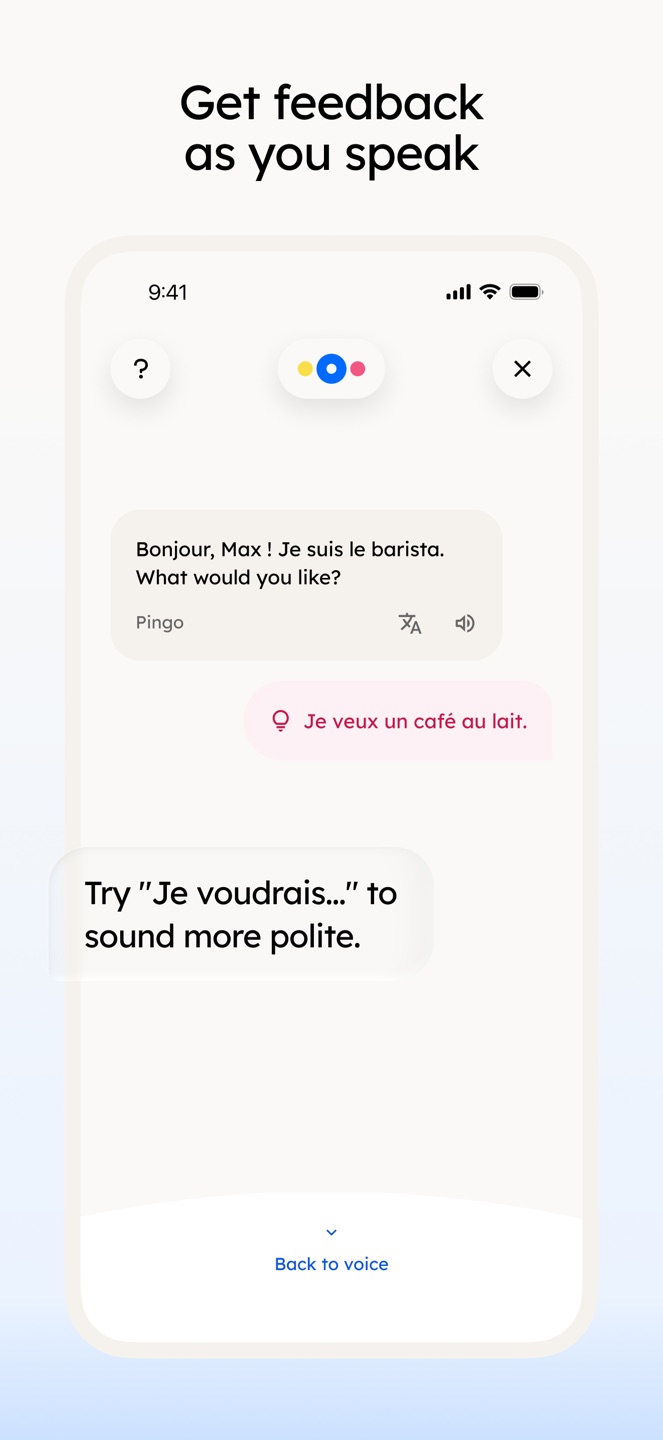
The business has a reverse test. After a video brings someone into the app, does the speaking experience justify renewal? Public App Store reviews include users who appreciate choosing their own conversation topics. They also include complaints about unnatural dialogue, a subscription prompt appearing too early, or cancellation being unclear. Reviews cannot represent overall satisfaction, but they expose parts of the product that are easy to edit out of a short video: the AI misunderstands a sentence, the exchange loses coherence, or the learner stops making time to practice.
That difference creates a useful division of labor. Creators can discover entertaining situations and communicate the product in a few seconds. Product and growth teams still have to decide where those videos should run, how the trial leads into payment, and whether the conversation quality supports an ongoing habit. Optimizing one layer without the others can produce impressive reach and disappointing economics.
The commercial lesson from Pingo is not that hiring one hundred creators will automatically build a large AI application. Customizable language scenarios made the product easy to turn into content, and creators helped identify formats people wanted to watch. The team then had to connect the location of that attention with a workable trial and subscription experience. Two hundred thousand Russian users who generated no revenue taught the company to ask where viewers were and whether they could become customers before celebrating how many watched the videos. When the product sells continuing practice, traffic only brings learners through the door. Whether they keep speaking determines the following month’s revenue.