
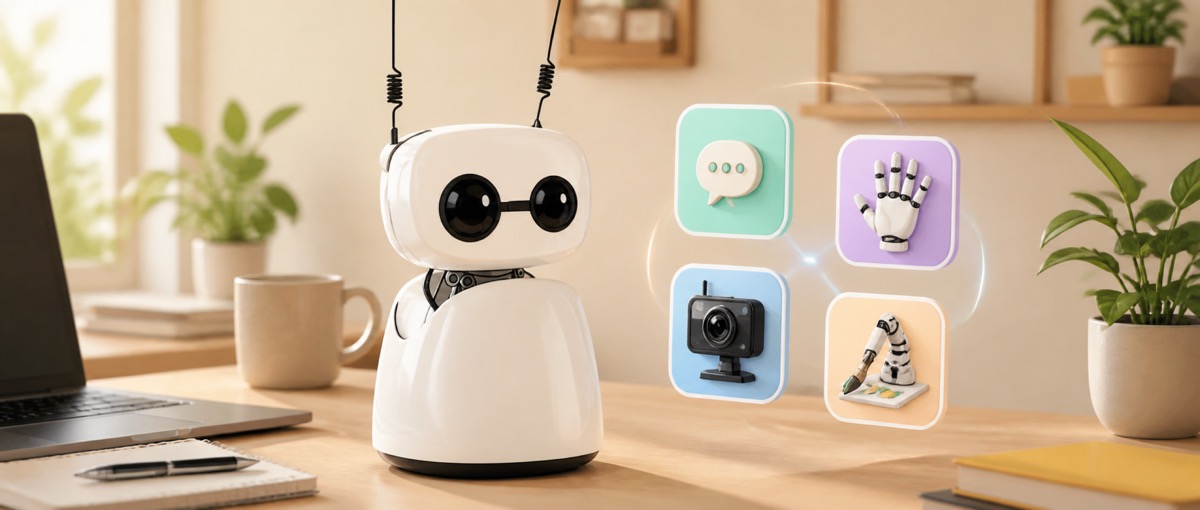
In May 2026, Hugging Face CEO Clement Delangue reportedly spent less than two hours building a front-desk receptionist app for an office Reachy Mini. When a visitor approached, the small desktop robot could turn its head, listen through its microphones, use its camera, and speak back through its speaker. Axios documented the demonstration as Hugging Face launched the Reachy Mini app store.
The timing was the point. According to Axios, about 10,000 Reachy Mini units had already reached customers or were in the process of being delivered, including 3,000 shipped the week before the report. Those figures came from Hugging Face and were not independently audited. Still, they explain why the app store was more than a press demo. Developers were no longer writing for one lab prototype. They were writing for a standardized device that existed on real desks.

Image source: Reachy Mini website
Hardware Had To Come First
Robot app stores have long faced a simple constraint: there are not enough compatible robots. Smartphone developers can assume a standardized operating system, mature distribution, and a large installed base. Robot developers usually face expensive, scarce, and inconsistent hardware. An interaction that works on one machine may need major adaptation on another.
Reachy Mini tries to make that calculation easier. The official site currently lists two DIY kits: a $399 Lite version that depends on an external computer and a $499 wireless version with onboard computing and connectivity. Both versions share the same basic shape of capability: camera, microphones, speaker, head motion, and a programmable software stack. The kit takes about two hours to assemble.
Each shipped unit becomes another endpoint for the same class of apps. Ten thousand delivered or in-transit units is not mass-market scale, but it is enough to change the developer pitch. A program does not have to remain a private demo on the builder’s desk. It can be discovered, installed, and reused by other buyers.
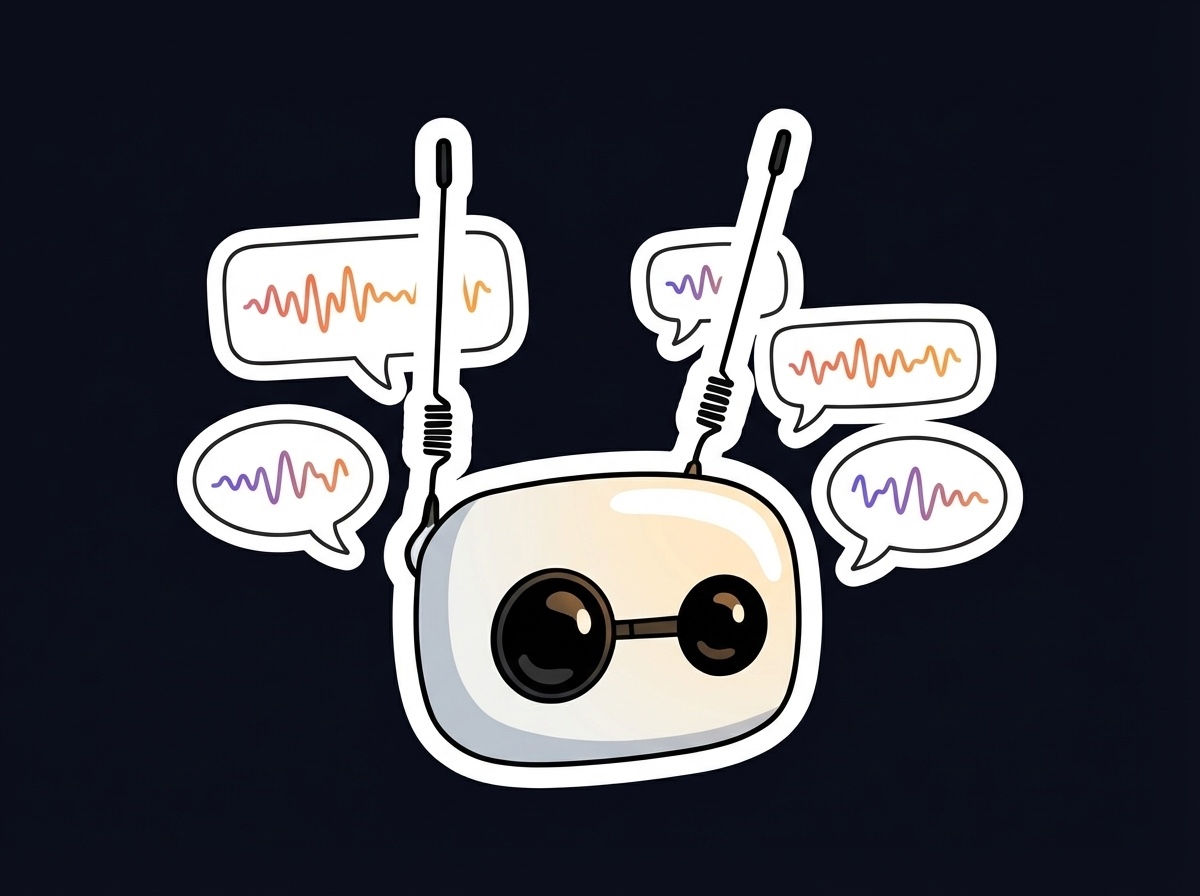
Image source: Reachy Mini website
The App Store Connects Builders And Owners
Delangue’s receptionist demo illustrates the supply-side change. Reachy Mini exposes a Python SDK so developers can use the robot’s camera, audio, motion, and model integrations. Once an app is built, it can be placed in a shared directory where other users can install it.
The current Reachy Mini site presents more than 50 one-click apps, including AI conversation, gesture tracking, and vision tasks. That is not yet a large ecosystem, and Axios previously described a different app count. The discrepancy likely reflects different inclusion rules or timing, so it should not be used as a growth calculation. What matters is that the device is no longer only a fixed demo kit. Its use can expand after purchase.
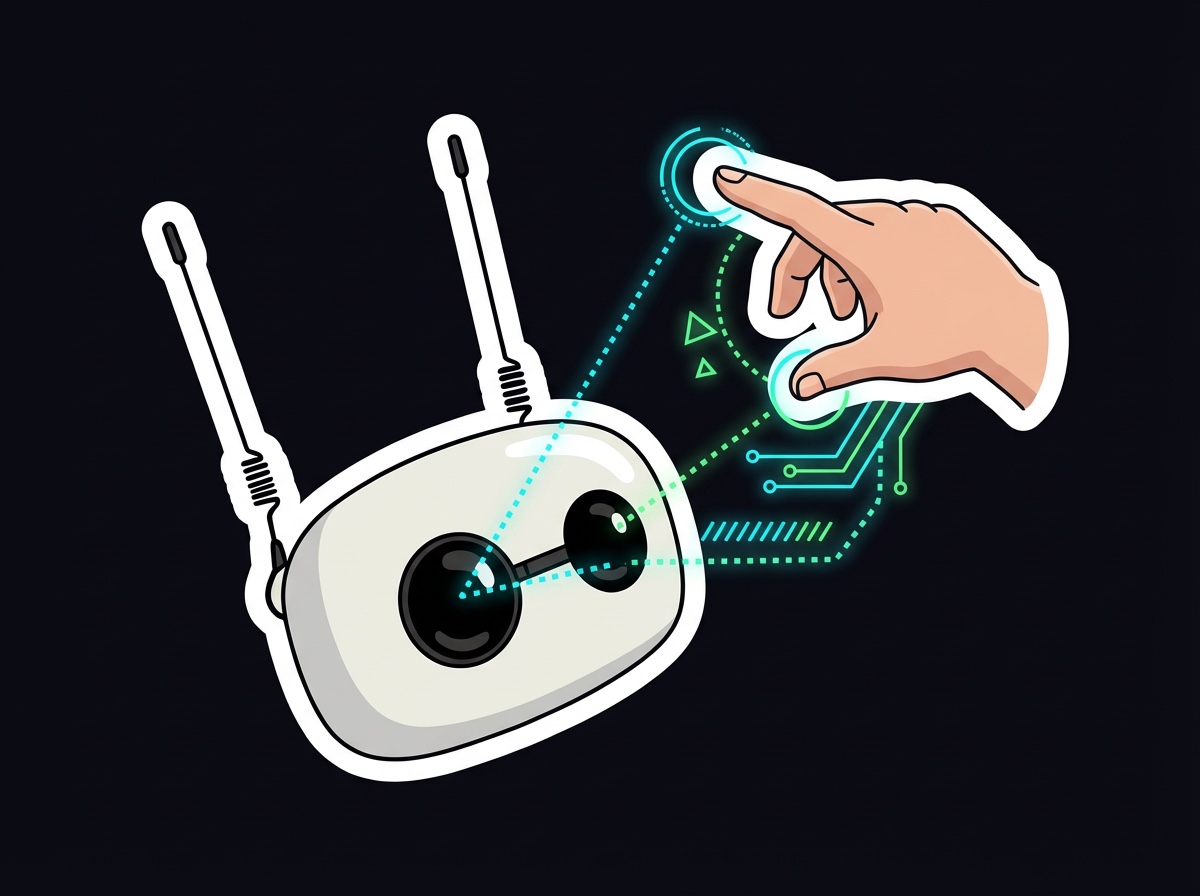
Image source: Reachy Mini website
The user side is just as important. The official iPhone app says users can talk to the robot, view its camera, control the head, and browse or launch community apps. That gives non-developers an installation surface while leaving the SDK and development workflow to builders. The platform bridge is the app directory: creators publish capabilities, owners run them.
Hugging Face Brought Distribution, Not Just Models
The robot hardware came from Pollen Robotics, a company that has worked on open-source robots since 2016. Hugging Face acquired the team in April 2025 and opened Reachy Mini orders in July 2025. Pollen Robotics supplied years of robot design, motion control, and manufacturing experience. Hugging Face supplied model distribution, Spaces, datasets, and a developer community already used to sharing open-source AI work.
That combination matters because hardware platforms suffer from two cold starts at once. They need buyers, and they need developers. Hugging Face did not have to build an AI developer audience from zero. The Reachy Mini site says its creator Discord has more than 9,000 members. Those people already understand uploading, remixing, and sharing software artifacts. Now they have a physical robot as a new target.
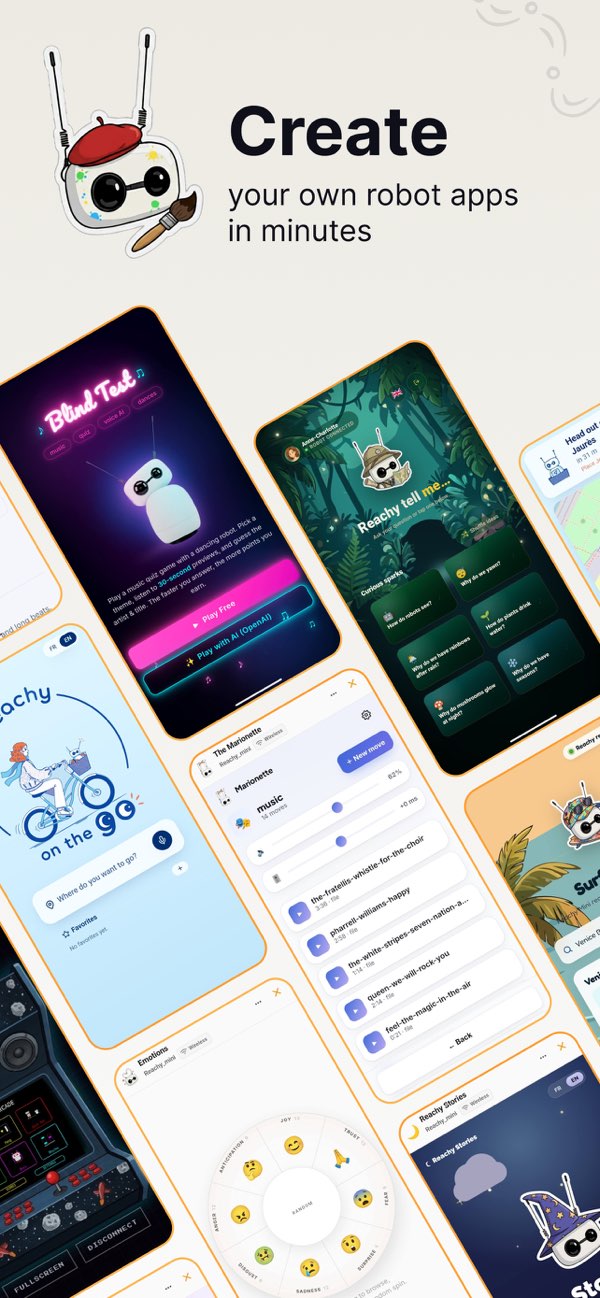
Image source: Reachy Mini Apple App Store page
The lesson for AI hardware companies is concrete. A developer ecosystem needs a reusable runtime and visible users. By shipping a relatively accessible, standardized robot first, then opening tools and distribution, Reachy Mini gives app builders a reason to believe their work can travel beyond one device.
The Platform Story Still Needs A Scorecard
Reachy Mini has evidence for hardware pricing, delivery scale, an app directory, and an existing creator community. It does not yet have public evidence for revenue, margin, active devices, repeat usage, paid apps, platform take rate, or developer earnings. Those gaps directly affect whether the app-store story becomes a business rather than a clever launch sequence.
The hardware also carries real friction. A DIY kit is more approachable than a research robot, but it still asks buyers to assemble hardware, understand what the robot can do, and wait through delivery timing. The app store can extend value after purchase, but it cannot erase every hardware adoption cost.
That is why the next commercial proof will likely happen outside the robot sale itself. The important question is whether owners repeatedly install and use third-party apps, and whether developers get enough value to keep publishing. Hardware revenue proves demand for the device. App usage and monetization would prove platform behavior.
Why This Case Matters
Reachy Mini’s insight is sequencing. An app store before standardized devices would be mostly theater. A robot without ongoing software supply risks becoming a novelty. Hugging Face and Pollen Robotics are trying to connect the two in the order that gives the ecosystem a chance: ship reachable hardware, then turn software supply into a reason to keep the hardware alive.
That makes the case useful even before the platform metrics are complete. It shows that AI hardware does not have to rely only on the launch demo. If the device is programmable, affordable enough for early adopters, and connected to a familiar developer distribution network, new applications can become part of the product’s value after the box arrives.
The harder proof is still ahead. Reachy Mini has shown a credible path from standardized hardware to community software. It now has to show that a robot app store can create retained usage, paid demand, and developer incentive after the first wave of curiosity passes.
Sources: Axios coverage of Reachy Mini app store and delivery data; Reachy Mini website; Hugging Face product launch; Hugging Face acquisition announcement; Reachy Mini Apple App Store page.